This Pet Meal Storage Containers guide will help you keep your furry family member’s food fresh and safe.
First Posted June 16, 2025 | [lmt-post-modified-info]If you have ever worried about whether you are storing your pet’s meals correctly, you are not alone.
This comprehensive guide covers everything from choosing the right materials to proper freezing techniques so you can feel confident about your pet’s nutrition.
TL;DR
| Article Type | Pet Food Storage Guide |
| For | Dogs, Cats, and Small Pets |
| Key Focus | Freezer-Safe Storage Solutions |
| Materials Covered | BPA-Free Plastic, Glass, Silicone, Steel |
| Storage Duration | Raw: 6 months, Cooked: 8-12 months |
| Safety Priority | Yes ✓ |
Why Proper Pet Meal Storage Is Good for Your Pet
Proper storage keeps your pet’s meals nutritionally complete and free from harmful bacteria. Fresh food means better digestion, stronger immunity, and more energy for your beloved companion.
Using the right containers prevents freezer burn, which destroys essential vitamins and makes food taste bad to your pet. According to the FDA Animal Veterinary Center, proper storage is one of the most important factors in maintaining pet food safety.
Quality storage solutions also save you money by reducing waste and allowing you to buy ingredients in bulk. The ASPCA recommends meal prepping as an excellent way to ensure consistent nutrition for pets with special dietary needs.
Before You Start
- Freezer thermometer to monitor temperature
- Labels and permanent marker for dating containers
- Measuring cups for proper portioning
- Clean workspace and sanitized hands
Essential Container Materials

BPA-Free Plastic – Lightweight and shatter-resistant, perfect for everyday use. Look for containers specifically marked as freezer-safe.
Glass Containers – Non-toxic and easy to clean, though heavier and breakable. Excellent for long-term storage and reheating.
Silicone Options – Flexible and durable, these containers work well for portion control and easy food removal when frozen.
Stainless Steel – The most durable option, though not suitable for acidic foods. Great for dry kibble storage and travel.
Key Features to Look For
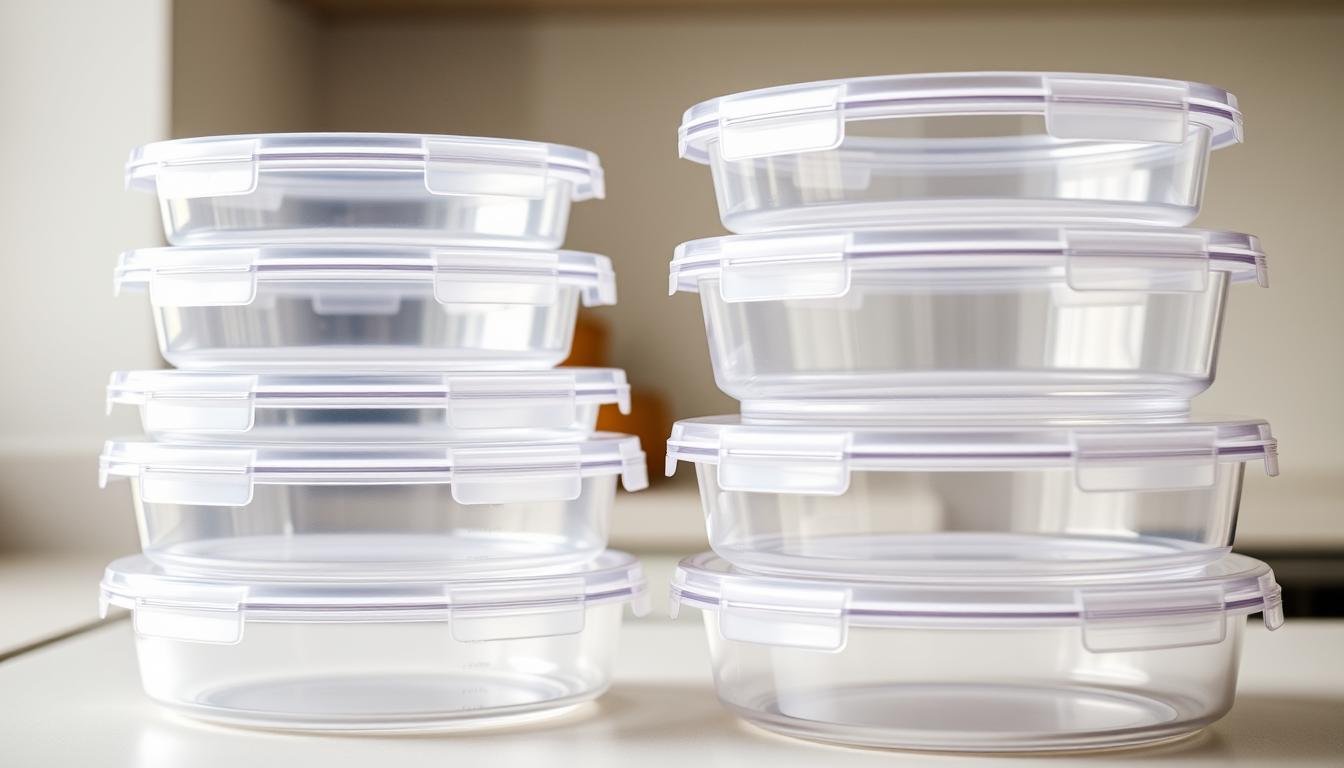
Airtight Seals – Prevent freezer burn and keep contaminants out. Look for silicone gaskets or locking lids.
Stackable Design – Maximizes freezer space and keeps everything organized. Square or rectangular shapes work best.
Portion Control Features – Dividers or multiple compartments help you serve exactly the right amount every time.
Temperature Resistance – Containers must handle freezer temperatures without cracking or becoming brittle.
Storage Guidelines by Pet Type

| Pet Type | Container Size | Ideal Material | Special Considerations |
|---|---|---|---|
| Large Dogs | 2-4 cups | BPA-free plastic or stainless steel | Wide opening for easy scooping |
| Small Dogs | 1/2-1 cup | Glass or silicone | Portion control dividers helpful |
| Cats | 1/4-1/2 cup | Glass or BPA-free plastic | Shallow containers work best |
| Small Pets | 1/4 cup or less | Glass or silicone | Multiple small containers |
How to Properly Freeze Pet Meals
Cool Completely First – Never put hot food directly into the freezer. Let meals reach room temperature to prevent bacterial growth.
Portion Before Freezing – Divide meals into serving sizes to make thawing and feeding easier. This prevents waste and ensures proper portions.
Remove Air – Press out excess air from bags or fill containers completely to prevent freezer burn and maintain food quality.
Label Everything – Include the date, meal type, and pet’s name. Use a first-in, first-out system to keep food rotating properly.
Squeeze a corner of the container after it has been frozen for 24 hours. If it gives slightly, the food is properly frozen but not rock-hard – perfect for easy serving.
Storage Duration Guidelines
| Food Type | Maximum Storage | Best Quality Period |
|---|---|---|
| Raw Pet Food | 6 months | 3 months |
| Cooked Pet Meals | 8-12 months | 6 months |
| Dehydrated Treats | 12 months | 8 months |
Common Storage Mistakes to Avoid
Freezing Food Too Warm – Always cool meals completely before freezing. Hot food raises the freezer temperature and can affect other stored items.
Overpacking Containers – Leave about 1/2 inch of space at the top for food expansion during freezing.
Using Non-Freezer-Safe Materials – Regular food storage containers may crack or become brittle in freezer temperatures.
Forgetting to Date Labels – Without dates, you cannot track how long food has been stored or rotate stock properly.
Safe Thawing Methods
Refrigerator Thawing – The safest method. Plan 24 hours ahead for most portions. This preserves nutrients and prevents bacterial growth.
Cold Water Method – Submerge sealed containers in cold water, changing the water every 30 minutes until thawed.
Never Thaw at Room Temperature – This allows harmful bacteria to multiply rapidly in the outer layers while the center stays frozen.
Once thawed, pet food should be used within 24-48 hours and never refrozen. When in doubt, throw it out – your pet’s health is worth more than saving a few dollars.
Eco-Friendly Storage Options
Reusable Glass Containers – Last for years and can be recycled at the end of their life. Initial investment pays off over time.
Biodegradable Materials – Made from plant-based materials that break down naturally. Perfect for single-use portions.
Reduce Packaging Waste – Buy ingredients in bulk and use your own containers. This cuts down on unnecessary packaging.
Repurpose Human Food Containers – Clean yogurt containers or glass jars work well for small portions, giving them a second life.
Multi-Pet Household Organization
Color-Coded System – Use different colored containers or labels for each pet. This prevents mix-ups and ensures each pet gets their specific diet.
Separate Storage Areas – Keep different pet foods in designated freezer sections to avoid cross-contamination.
Clear Labeling – Include pet name, food type, date, and any special instructions on every container.
Signs Your Stored Food Has Gone Bad
Off Odors – Any sour, rancid, or unusual smell means the food should be discarded immediately.
Color Changes – Gray or greenish tints, especially on meat, indicate spoilage or freezer burn.
Texture Changes – Slimy or unusually dry texture after thawing suggests the food is no longer safe.
Ice Crystal Formation – Large ice crystals inside containers indicate temperature fluctuations and potential quality loss.
Frequently Asked Questions
How long can I safely store frozen pet food?
Raw pet food stays safe for up to 6 months, while cooked meals can last 8-12 months when stored properly. Always check for signs of spoilage before serving, regardless of storage time.
Can I use regular food storage containers for pet food?
Some human food containers work fine for pet food, but make sure they are freezer-safe and BPA-free. Pet-specific containers often have better portion control features and are designed for pet food consistency.
Is it safe to store raw and cooked pet food together?
Never store raw and cooked pet food in the same container. Raw food can contain harmful bacteria that could contaminate cooked meals. Use separate, clearly labeled containers for each type.
What temperature should my freezer be for pet food storage?
Keep your freezer at 0 degrees F or below. Use a freezer thermometer to check regularly, as temperature fluctuations can affect food safety and quality.
How do I prevent freezer burn on pet food?
Remove as much air as possible from containers or bags before sealing. Use airtight containers with tight-fitting lids, and avoid overpacking your freezer, which can cause temperature fluctuations.
Can I meal prep for multiple pets with different dietary needs?
Absolutely! Use a color-coded labeling system and separate storage areas for each pet’s specific diet. This prevents mix-ups and ensures each pet gets exactly what they need. For more meal prep ideas, check out our homemade dog treat recipes.
Are biodegradable containers effective for freezer storage?
Yes, many biodegradable containers work well in the freezer and help reduce your environmental impact. Just make sure they are specifically rated for freezer temperatures and are food-safe.
Final Thoughts
This Pet Meal Storage Containers guide gives you everything you need to keep your pet’s food fresh and safe.
The right storage system protects your pet’s health while saving you time and money.
Start with one or two quality containers this week and build your storage system as you learn what works best for your furry family.
Subscribe to Our Newsletter

