
This guide to harmful pet food preservatives helps you understand what to avoid when feeding your furry family members. Many commercial pet foods contain chemical preservatives that may pose serious health risks to your beloved pets.
If you have ever worried about the safety of what you are feeding your pet, you are not alone – this comprehensive guide breaks down the dangerous additives hiding in pet food so you can make informed choices with confidence.
TL;DR
| Guide Type | Pet Food Safety Reference |
| For | All Pet Types |
| Reading Time | 8 minutes |
| Key Focus | Harmful Preservatives |
| Main Takeaway | Avoid BHA, BHT, Ethoxyquin |
| Difficulty | Beginner Friendly |
| Vet Reviewed | Yes ✓ |
Harmful Pet Food Preservatives Guide
Pet food preservatives are chemicals added to keep food fresh longer, but some can seriously harm your pet’s health. Understanding which ones to avoid is essential for keeping your furry friend safe and healthy.
What You Need to Know
- Basic understanding of how to read pet food labels
- Knowledge of your pet’s specific dietary needs
- List of current pet foods you are using
- Contact information for your veterinarian
Most Dangerous Preservatives to Avoid
- Ethoxyquin – Banned in Australian dog food and European Union
- BHA (Butylated Hydroxyanisole) – California warns it may cause cancer
- BHT (Butylated Hydroxytoluene) – WHO considers it a potential carcinogen
- Propylene Glycol – Banned in cat food in many countries
- Propyl Gallate – Can damage liver and blood cells
- Artificial Colors (Blue 2, Red 40, Yellow 6) – Linked to allergies and hyperactivity
- Nitrates and Nitrites – May increase cancer risk in pets
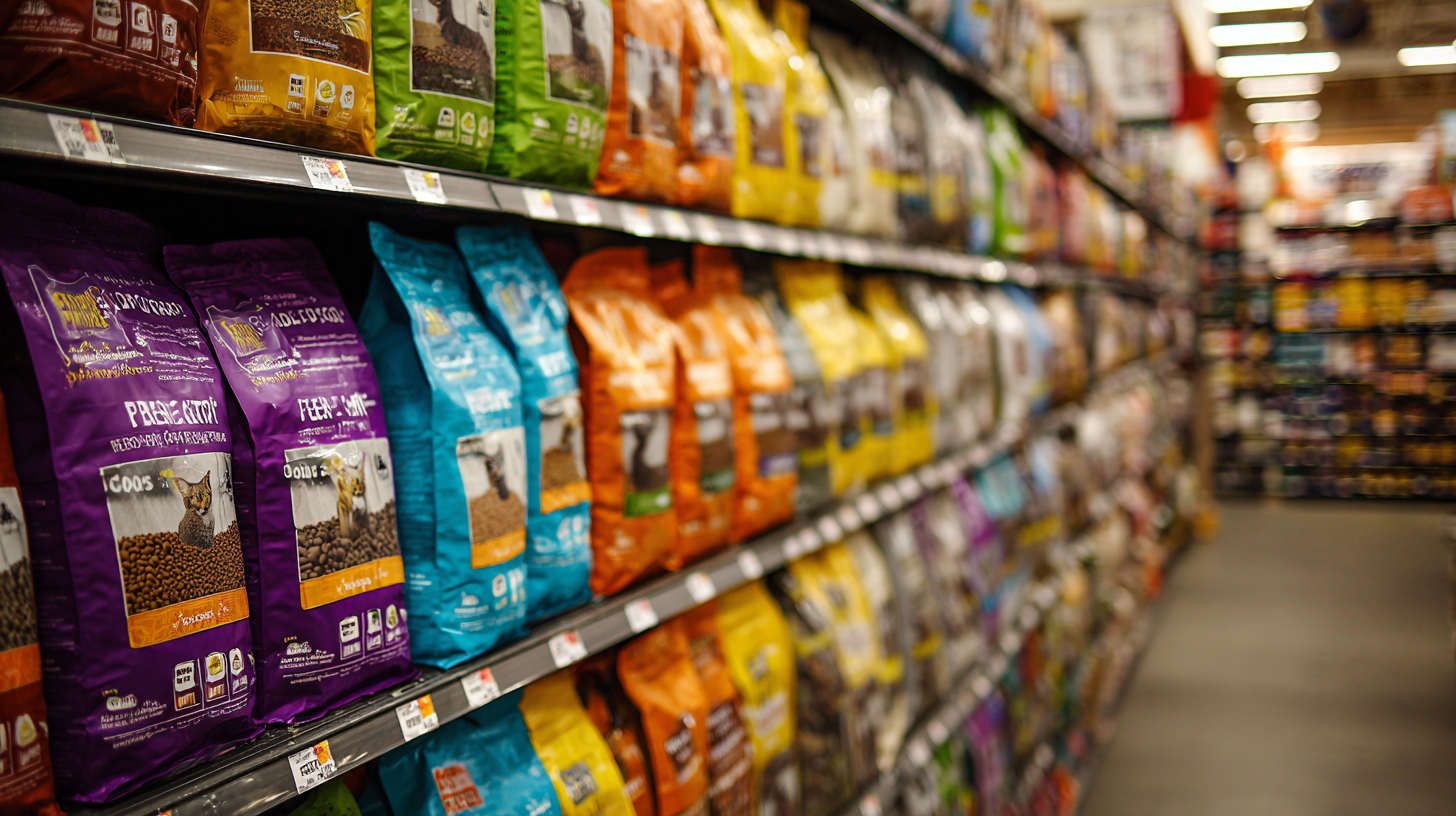
How to Check Your Pet’s Food
- Read the ingredient list carefully. Look for the dangerous preservatives listed above in the first 10 ingredients.
- Check for vague terms. Avoid foods with unclear labels like “meat by-products” or generic “preservatives.”
- Look for natural alternatives. Choose foods preserved with Vitamin E (tocopherols) or Vitamin C (ascorbic acid).
- Research the brand. Look up the manufacturer’s safety record and recall history online.
- Verify AAFCO approval. Make sure the food meets Association of American Feed Control Officials standards.
Safe Preservative Alternatives
| Natural Preservative | Safety Level |
|---|---|
| Mixed Tocopherols (Vitamin E) | Very Safe |
| Ascorbic Acid (Vitamin C) | Very Safe |
| Rosemary Extract | Safe |
| Citric Acid | Safe |
| Natural Smoke Flavor | Generally Safe |
These natural preservatives provide effective food preservation without the health risks of synthetic chemicals.
Common Mistakes Pet Owners Make
- Assuming “natural” means safe. Some natural ingredients can still be harmful – always research unfamiliar ingredients before feeding.
- Ignoring ingredient order. Ingredients are listed by weight, so harmful preservatives near the top are more concerning.
- Trusting marketing terms. Words like “premium” or “gourmet” have no legal meaning and don’t guarantee safety.
- Not checking treats and supplements. Many pet owners focus only on main meals but treats often contain the worst preservatives.
Quick Safety Check
If you cannot pronounce an ingredient or it sounds like a chemical name, look it up before feeding it to your pet. When in doubt, choose foods with shorter, simpler ingredient lists.
Building a Safe Pet Food Collection
- Start with one safe brand. Transition gradually over 7-10 days to avoid digestive upset.
- Diversify protein sources. Rotate between different safe brands to provide nutritional variety.
- Stock emergency options. Keep a backup supply of safe food in case your regular brand becomes unavailable.
- Include safe treats. Many commercial treats contain the worst preservatives, so find healthy alternatives.
Safe Ingredient Swaps and Alternatives
Instead of BHA/BHT preserved foods – Choose foods preserved with mixed tocopherols or rosemary extract.
Instead of artificial colors – Look for foods that get color naturally from ingredients like sweet potatoes or blueberries.
Instead of propylene glycol treats – Choose freeze-dried or dehydrated treats with no added chemicals.
Instead of ethoxyquin fish meal – Select foods with fish meal preserved with natural vitamin E.
Instead of nitrate-preserved meats – Choose fresh, frozen, or naturally preserved meat options.
Storage and Safety Tips
Dry food storage. Keep in original bag inside airtight containers to maintain freshness and prevent pest contamination.
Wet food handling. Refrigerate opened cans immediately and use within 3 days for maximum safety.
Treat storage. Store natural treats in cool, dry places and check expiration dates regularly since they spoil faster.
When to discard. Throw away any food that smells rancid, shows mold, or has been opened longer than recommended storage time.
Why Avoiding Harmful Preservatives Matters for Your Pet
Chemical preservatives like BHA and BHT accumulate in your pet’s system over time, potentially leading to liver damage and cancer. Choosing safer alternatives protects your pet’s long-term health and gives you peace of mind about every meal.
According to the FDA Animal Veterinary division, many pet health issues are linked to long-term exposure to questionable food additives.
Natural preservatives like tocopherols not only keep food fresh but also provide antioxidant benefits that support your pet’s immune system and overall health.
The ASPCA emphasizes that preventing exposure to harmful chemicals is much easier than treating the health problems they can cause.
Frequently Asked Questions
How can I tell if my pet is having a reaction to food preservatives?
Watch for symptoms like excessive scratching, digestive upset, lethargy, or changes in appetite. These can indicate sensitivity to chemical preservatives and warrant switching to a more natural food option.
Are expensive pet foods always safer than budget options?
Not necessarily – price does not guarantee safety. Some premium brands still use harmful preservatives while some budget brands use natural preservation methods. Always read the ingredient list regardless of price.
Can I make homemade food to avoid all preservatives?
Yes, but work with a veterinary nutritionist to ensure homemade diets meet all your pet’s nutritional needs. Improperly balanced homemade diets can cause serious health problems over time.
How long does it take to transition to a safer food?
Plan for 7-10 days of gradual transition, mixing increasing amounts of new food with decreasing amounts of old food. This prevents digestive upset while your pet adjusts to the new diet.
Do all pets react the same way to harmful preservatives?
No, sensitivity varies greatly between individual pets and species. Cats are generally more sensitive to certain chemicals than dogs, and smaller pets may show effects more quickly than larger ones.
What should I do if I have been feeding food with harmful preservatives?
Do not panic – switch gradually to a safer option and monitor your pet for any health changes. Most pets recover well once harmful preservatives are removed from their diet, especially when caught early.
Are there any preservatives that are actually good for pets?
Yes, natural preservatives like mixed tocopherols provide antioxidant benefits that support immune health. These harmful pet food preservatives to avoid are chemical ones, not the beneficial natural alternatives that actually help your pet’s health.
Final Thoughts
Understanding harmful pet food preservatives to avoid is one of the most important things you can do for your pet’s long-term health and happiness.
The time you spend reading labels and researching safe alternatives is an investment in years of good health for your furry family member.
Start checking your pet’s current food today and make the switch to safer options – your pet’s health is worth every bit of extra effort.
Subscribe to Our Newsletter