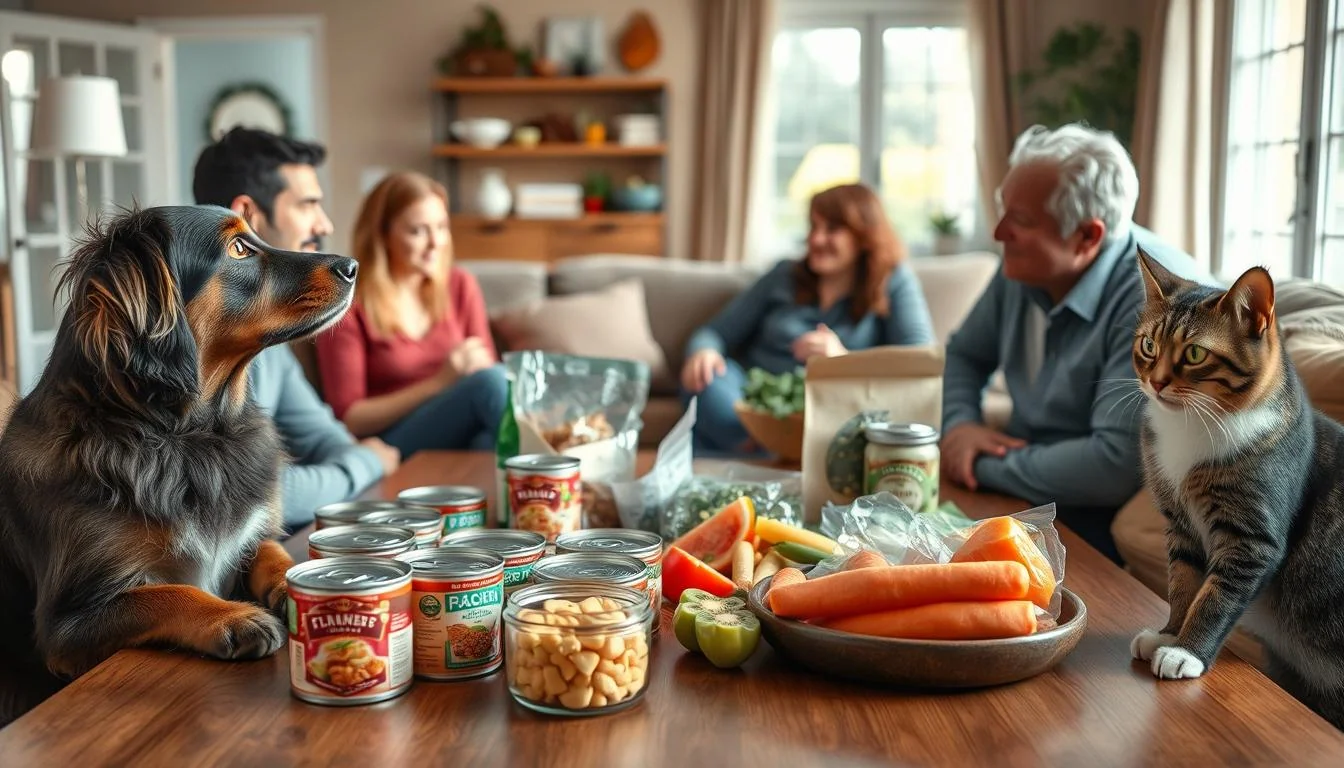
This Raw Diet Safety Guide for Dogs and Cats covers everything you need to know before making the switch.
If you have been wondering whether raw feeding is right for your furry family member, you are not alone in feeling uncertain.
The decision to change your pet’s diet is one of the most important choices you will make for their health and happiness.
This guide will help you understand both the benefits and the risks so you can make the best decision for your beloved companion.
TL;DR
| Guide Type | Raw Diet Safety Information |
| For | Dogs and Cats |
| Main Benefits | Improved digestion, shinier coat, higher energy |
| Main Risks | Bacterial contamination, nutritional imbalances |
| Difficulty | Advanced |
| Vet Consultation | Essential |
Why Pet Owners Consider Raw Diets
Raw diets have gained popularity as more pet owners seek natural alternatives to commercial pet food. Many pet parents report seeing improvements in their dogs’ and cats’ coat shine, energy levels, and digestive health when switching to raw feeding.
The basic philosophy behind raw feeding is that dogs and cats evolved to eat unprocessed meat, bones, and organs. According to the ASPCA, understanding your pet’s natural dietary needs is important when considering any diet change.
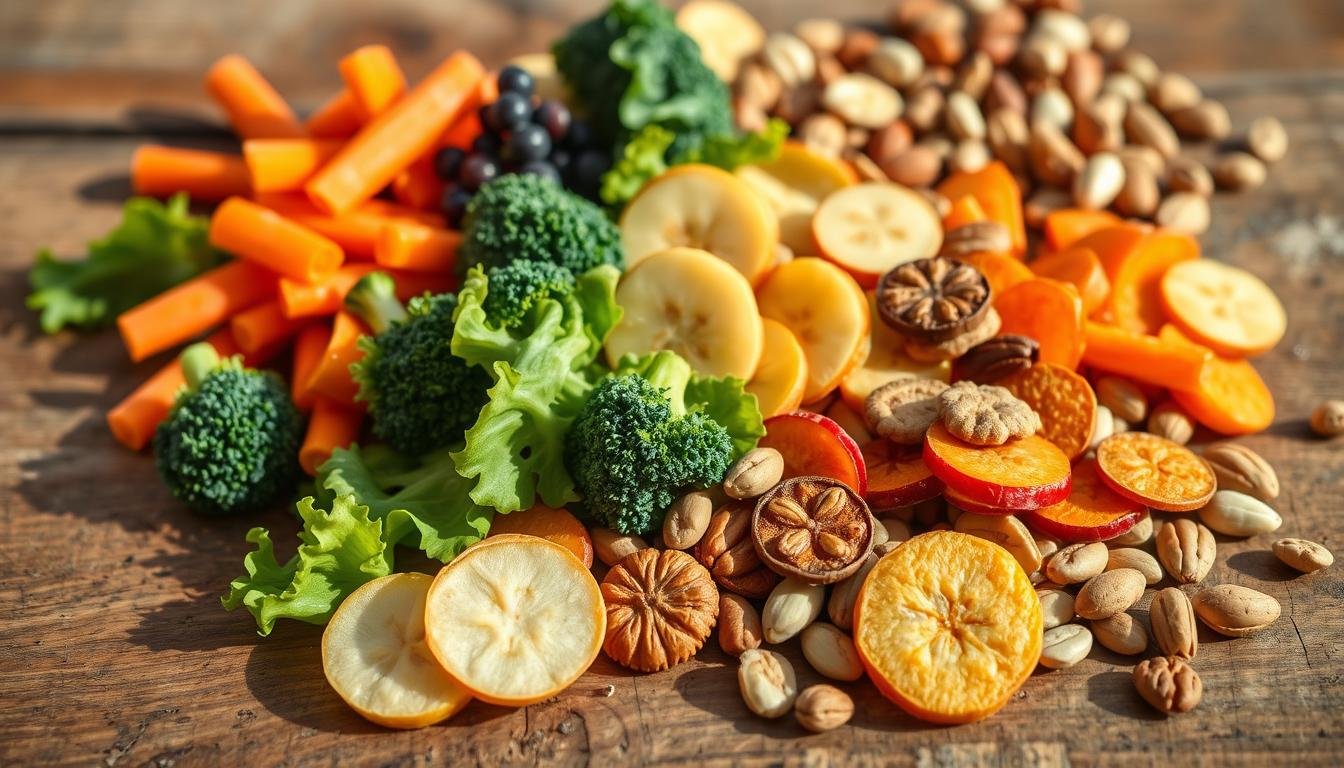
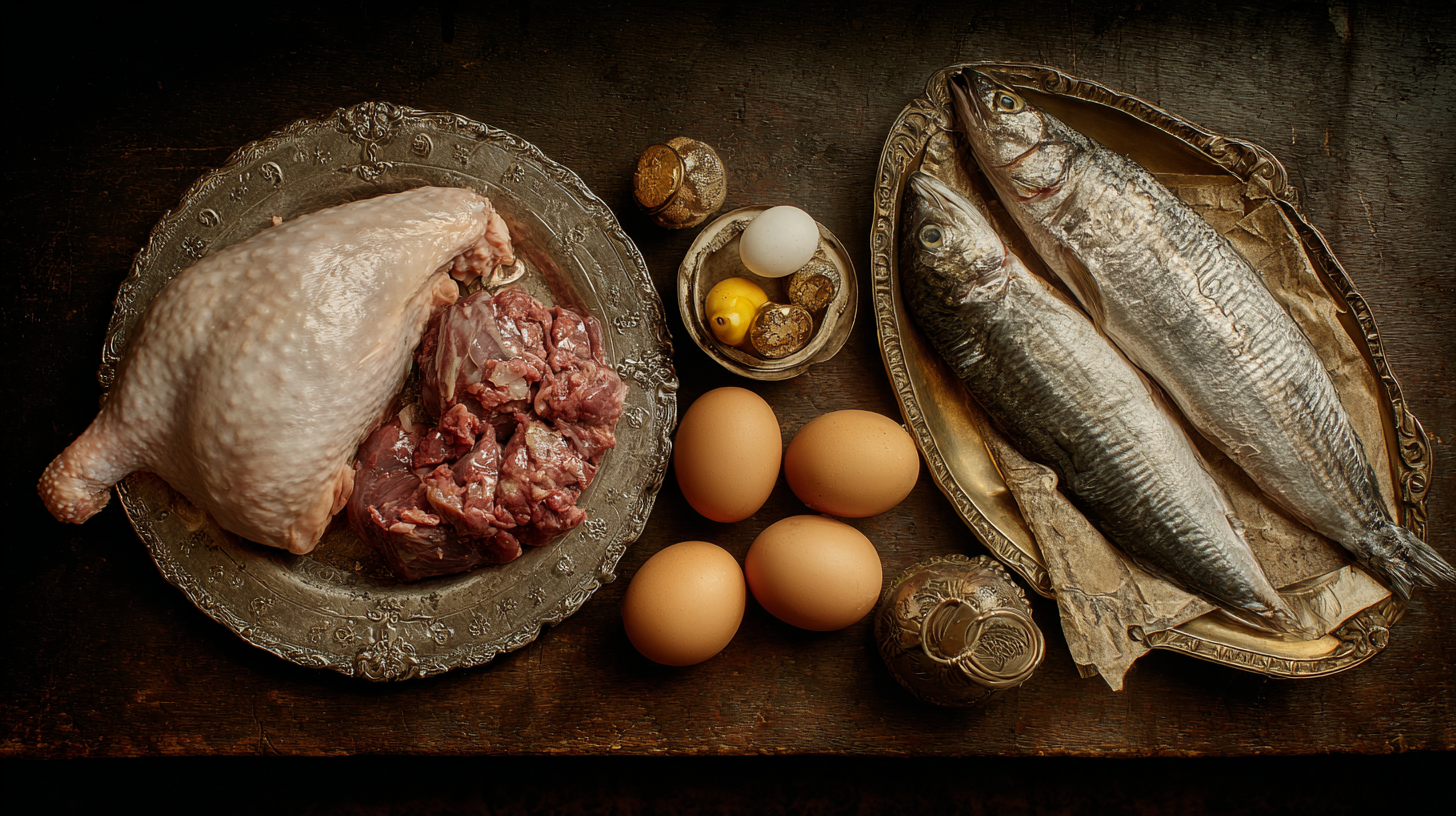
A raw diet typically includes muscle meat, organ meat, raw bones, vegetables, and sometimes fruits. The goal is to mimic what dogs and cats might eat in the wild while providing balanced nutrition for domestic pets.
Before You Start Considering Raw Feeding
- Veterinary consultation and approval
- Understanding of pet nutrition basics
- Commitment to strict food safety practices
- Budget for quality ingredients and supplements
- Time for meal preparation and planning
- Separate preparation area and tools
- Proper storage containers and freezer space
Understanding Raw Diet Components
Muscle Meat (70-80% of diet)
Chicken, beef, lamb, turkey, or fish – provides primary protein
Organ Meat (10-15% of diet)
Liver, kidney, heart – essential for vitamins and minerals
Raw Bones (10-15% of diet)
Meaty bones for calcium and dental health – never cooked bones
Vegetables and Fruits (5-10% of diet)
Carrots, spinach, apples – for fiber and additional nutrients
Supplements (as needed)
Fish oil, probiotics, vitamins – to ensure complete nutrition
Raw Diet Guidelines by Pet Weight
| Pet Weight | Daily Raw Food Amount | Feeding Frequency |
|---|---|---|
| Under 10 lbs | 2-4% of body weight | 2-3 meals per day |
| 10-25 lbs | 2-3% of body weight | 2 meals per day |
| 25-50 lbs | 2-3% of body weight | 1-2 meals per day |
| 50-75 lbs | 2-2.5% of body weight | 1-2 meals per day |
| 75+ lbs | 1.5-2.5% of body weight | 1-2 meals per day |
These percentages are starting points only. Active pets, puppies, and kittens may need more food, while less active or senior pets may need less.
Common Safety Mistakes to Avoid
Using the same cutting board for pet and human food. Always use separate preparation areas and tools to prevent cross-contamination.
Feeding cooked bones. Cooked bones can splinter and cause serious internal injuries. Only raw, meaty bones are safe.
Not washing hands thoroughly. Wash your hands with soap for at least 20 seconds after handling raw meat.
Leaving food out too long. Raw food should not sit at room temperature for more than 30 minutes.
Skipping veterinary guidance. Your vet can help ensure the diet meets your pet’s specific nutritional needs.
Food Safety Tip
Clean all surfaces that touch raw pet food with a bleach solution (1 tablespoon bleach per gallon of water). This kills harmful bacteria that could affect your family.
Transitioning to Raw Feeding Safely
Week 1: Start slowly. Replace 25% of your pet’s regular food with raw food. Watch for any digestive upset.
Week 2: Increase gradually. Move to 50% raw food if your pet is handling the change well.
Week 3: Continue the transition. Increase to 75% raw food while monitoring your pet’s reaction.
Week 4: Complete the switch. Move to 100% raw food if everything has gone smoothly.
Monitor throughout. Watch for changes in energy, stool quality, and appetite. Contact your vet if you notice any concerning changes.
Raw Diet Alternatives and Modifications
Commercial raw options
Freeze-dried raw food – Convenient and safer than preparing raw food yourself. More expensive but reduces preparation time and safety risks.
Frozen raw patties – Pre-made balanced meals that require less preparation while maintaining raw benefits.
Partial raw feeding
Raw toppers – Add small amounts of raw meat to high-quality kibble for some raw benefits with less risk.
Raw treats only – Use raw bones and meat as occasional treats rather than full meals.
Cooked alternatives
Lightly cooked meat – Sear the outside of meat while keeping the inside rare to reduce bacteria while maintaining some raw benefits.
Home-cooked meals – Fully cooked homemade meals can provide many benefits without raw feeding risks.
Important Safety Warning
Raw diets carry risks of bacterial contamination including Salmonella, E. coli, and Listeria. These bacteria can affect both pets and humans. Immune-compromised pets, very young animals, elderly pets, or those with health conditions should not eat raw diets.
Storage and Food Safety Tips
Refrigerator storage. Keep raw food in the refrigerator for no more than 2-3 days. Store in sealed containers on the bottom shelf to prevent drips.
Freezer storage. Freeze raw food in meal-sized portions for up to 6 months. Label with dates to use oldest food first.
Thawing safely. Thaw frozen raw food in the refrigerator, never at room temperature. Use within 24 hours of thawing.
Serving temperature. Serve raw food at room temperature, not cold from the refrigerator. Let it sit for 15-30 minutes before feeding.
Cleaning protocols. Wash all bowls, utensils, and surfaces with hot soapy water followed by a dilute bleach solution after each use.
Frequently Asked Questions
Is raw feeding safe for all dogs and cats?
Raw feeding is not safe for all pets. Puppies under 4 months, senior pets, immune-compromised animals, and pets with certain health conditions should avoid raw diets. Always consult your veterinarian before making this change.
How do I know if my pet is getting balanced nutrition on a raw diet?
Work with a veterinary nutritionist to formulate balanced meals, and schedule regular blood work to monitor your pet’s health. Many homemade raw diets are nutritionally incomplete without proper supplementation.
Can I mix raw food with kibble?
While some pet owners mix raw and kibble, this combination can cause digestive issues since raw and processed foods digest at different rates. If you want to add raw elements to your pet’s diet, consider raw toppers or homemade treats instead.
What are the signs that raw feeding is not working for my pet?
Watch for persistent diarrhea, vomiting, loss of appetite, lethargy, or changes in behavior. Any concerning symptoms should prompt an immediate vet visit to rule out bacterial infections or nutritional deficiencies.
How much does raw feeding cost compared to commercial pet food?
Raw feeding typically costs 2-3 times more than high-quality commercial pet food. Costs include quality meat, organs, supplements, and additional vet visits for monitoring. Budget carefully before making the commitment.
Do raw-fed pets need regular deworming?
Raw-fed pets may have higher exposure to parasites, especially if eating wild game or unprocessed meat. Discuss a deworming schedule with your vet and consider regular fecal testing to monitor for parasites.
Can I travel with a raw-fed pet?
Traveling with raw food requires careful planning for proper storage and food safety. Consider switching to freeze-dried raw options or high-quality commercial food for travel periods to avoid complications.
Final Thoughts
This Raw Diet Safety Guide for Dogs and Cats provides the foundation you need to make an informed decision about your pet’s nutrition.
Raw feeding can offer benefits for some pets, but it requires significant commitment to food safety and proper nutrition.
The most important step you can take is consulting with your veterinarian to determine if raw feeding is appropriate for your specific pet’s needs and health status.
Remember that the best diet for your pet is one that keeps them healthy, happy, and fits safely into your lifestyle.
Subscribe to Our Newsletter