This BPA-Free Measuring Cups and Spoons Guide for Pet Recipe Accuracy is essential for any pet owner making homemade meals at home. If you have ever worried about whether your measuring tools might be introducing harmful chemicals into your pet’s food, you are not alone – this guide covers safe, accurate measuring tools so you can feel confident every time you prepare their meals.
TL;DR
| Guide Type | Pet Food Measuring Tools |
| For | Dogs, Cats, and All Pets |
| Safety Focus | BPA-Free Materials |
| Key Benefit | Accurate Recipe Measurements |
| Material Types | Stainless Steel, Silicone, Glass, Ceramic |
| Difficulty | Easy |
| Vet Approved | Yes ✓ |
BPA-Free Measuring Cups and Spoons for Pet Recipe Accuracy Guide
Choosing the right measuring tools is crucial for your pet’s health and nutrition. Using BPA-free options ensures no harmful chemicals leach into their food.
Before You Start Shopping
- Check current measuring tools for BPA-free certification
- Consider your pet’s typical meal portions and batch sizes
- Think about storage space for new measuring tools
- Decide between individual pieces or complete sets
Essential Features to Look For
- BPA-free certification or labeling
- FDA compliant materials
- Clear measurement markings that won’t fade
- Dishwasher safe construction
- Ergonomic handles for easy gripping
- Multiple size options in sets
- Non-porous surfaces for easy cleaning
How to Choose the Right Material
- Assess your needs. Consider whether you measure mostly dry ingredients, liquids, or both for your pet’s meals.
- Compare durability. Stainless steel lasts longest, while silicone offers flexibility for sticky ingredients.
- Check cleaning requirements. Glass and ceramic need gentle handling but don’t retain odors or stains.
- Consider storage space. Nesting sets save cabinet space, while individual pieces offer more size variety.
- Test the grip. Make sure handles feel comfortable and secure when holding different amounts of ingredients.
Material Comparison Guide
| Material | Durability | Cleaning Ease | Best For |
|---|---|---|---|
| Stainless Steel | Excellent | Very Easy | All ingredients, long-term use |
| Silicone | Good | Easy | Sticky ingredients, flexibility needed |
| Glass | Excellent | Easy | Liquids, no odor retention |
| Ceramic | Good | Moderate | Small portions, decorative use |
Choose based on your specific pet feeding routine and kitchen preferences. Stainless steel offers the best all-around performance for most pet owners.
Common Mistakes to Avoid
- Buying based on price alone. Cheap measuring tools may contain BPA or break easily, potentially contaminating your pet’s food.
- Ignoring certification marks. Always look for clear BPA-free labeling or FDA compliance stamps before purchasing.
- Not checking dishwasher compatibility. Hand-washing measuring tools after each use becomes tedious and may lead to inadequate cleaning.
- Choosing the wrong sizes. Consider your typical recipe portions – too large or too small tools make measuring frustrating.
Quick Check
Turn measuring tools over and look for recycling codes. Avoid anything marked with recycling code 7 or PC (polycarbonate), as these often contain BPA.
Building a Complete Measuring Set
- Start with dry measuring cups. Get a nested set with 1/4, 1/3, 1/2, and 1 cup sizes for most pet recipe needs.
- Add liquid measuring cups. Choose 1-cup and 2-cup sizes with clear measurement markings and pour spouts.
- Include measuring spoons. Get a set with 1/4, 1/2, and 1 teaspoon plus 1 tablespoon for supplements and small additions.
- Consider a kitchen scale. Digital scales provide the most accurate measurements, especially for homemade pet food recipes.
Cleaning and Storage Tips
Daily cleaning. Wash measuring tools immediately after use with warm soapy water to prevent food buildup and bacteria growth.
Deep cleaning weekly. Run dishwasher-safe tools through a full cycle, or hand-wash with baking soda for stubborn odors.
Proper storage. Keep measuring tools in a clean, dry drawer or hang them on hooks to prevent damage and maintain cleanliness.
Regular inspection. Check for cracks, chips, or worn measurement markings that could affect accuracy or harbor bacteria.
Why BPA-Free Tools Matter for Your Pet
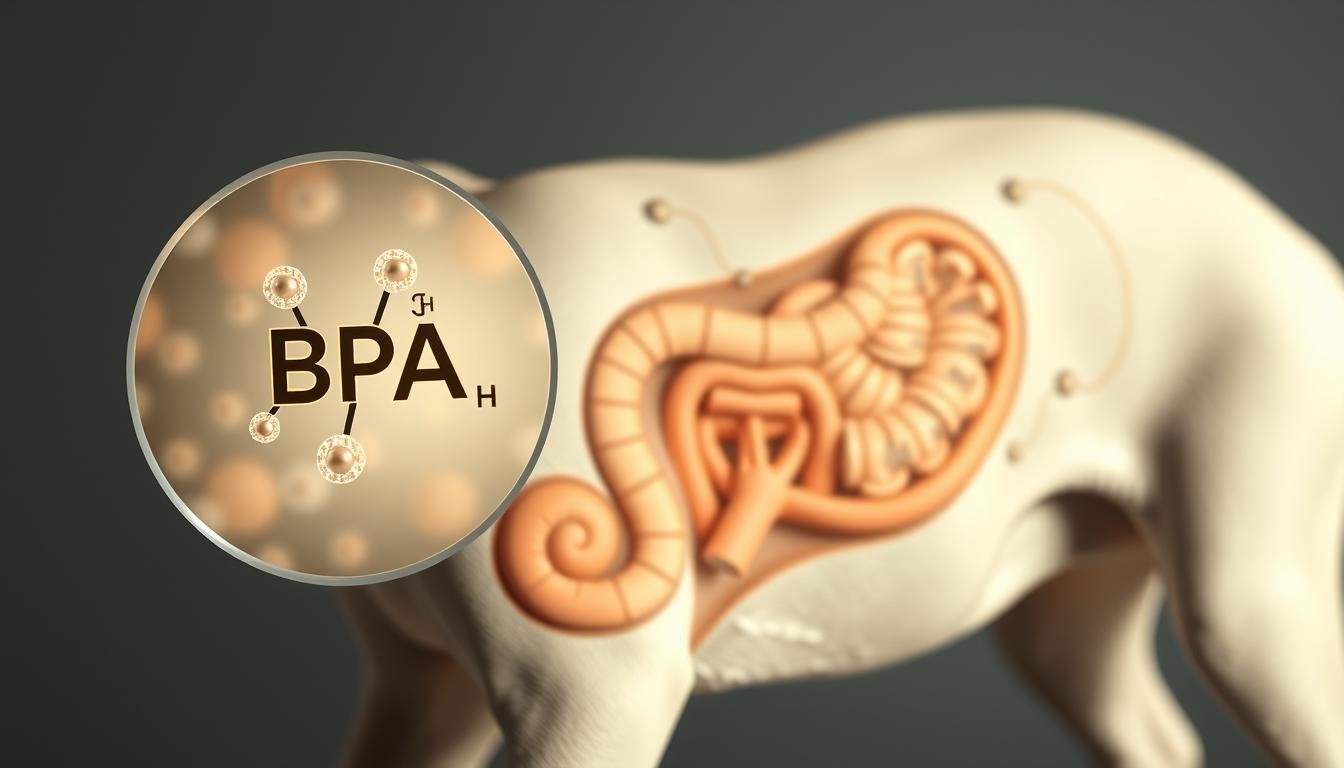
BPA (Bisphenol A) is a chemical that can leach from plastic containers into food, especially when exposed to heat or acidic ingredients.
According to the FDA, BPA exposure has been linked to various health concerns in animals, including hormonal disruption.
Pets may be more sensitive to BPA exposure than humans due to their smaller size and different metabolism rates.
The ASPCA recommends using safe, non-toxic materials when preparing homemade pet food to avoid unnecessary chemical exposure.

Frequently Asked Questions
How do I know if my current measuring tools contain BPA?
Check for recycling codes on the bottom of plastic tools. Codes 3, 6, and especially 7 may contain BPA. Look for clear “BPA-Free” labeling on newer products, or switch to stainless steel, glass, or silicone alternatives.
Are stainless steel measuring tools safe for all pet foods?
Yes, stainless steel is one of the safest materials for pet food preparation. It doesn’t leach chemicals, resists bacteria buildup, and handles both acidic and alkaline ingredients safely.
Can I use human measuring tools for pet food?
Absolutely, as long as they are BPA-free and food-safe. The same measuring accuracy standards apply whether you are cooking for humans or pets.
How often should I replace measuring tools?
Replace tools when measurement markings fade, cracks appear, or odors persist after cleaning. High-quality stainless steel or glass tools can last many years with proper care.
Do digital scales work better than measuring cups for pet food?
Digital scales provide more precise measurements, especially for ingredients like meat or vegetables that can vary in density. They are particularly helpful when following weight-based pet food recipes.
What size measuring tools do I need for small dogs versus large dogs?
Small dogs need tools that measure smaller portions accurately – 1/4 cup and tablespoon measurements are most useful. Large dogs benefit from larger measuring cups (1-2 cups) to handle bigger meal portions efficiently.
Are silicone measuring tools as accurate as hard materials?
Quality silicone tools are just as accurate as hard materials when used properly. Make sure to level off dry ingredients and read liquid measurements at eye level, just like with any other BPA-free measuring cups and spoons.

Final Thoughts
These BPA-free measuring cups and spoons are the foundation of safe, accurate pet food preparation at home.
Investing in quality measuring tools shows your commitment to your pet’s health and gives you confidence that every meal is properly portioned.
Choose tools that fit your routine and budget, and your pet will benefit from safer, more nutritious homemade meals for years to come.
Subscribe to Our Newsletter

