Decoding Pet Food Labels is one of the most important skills you can develop as a loving pet parent.
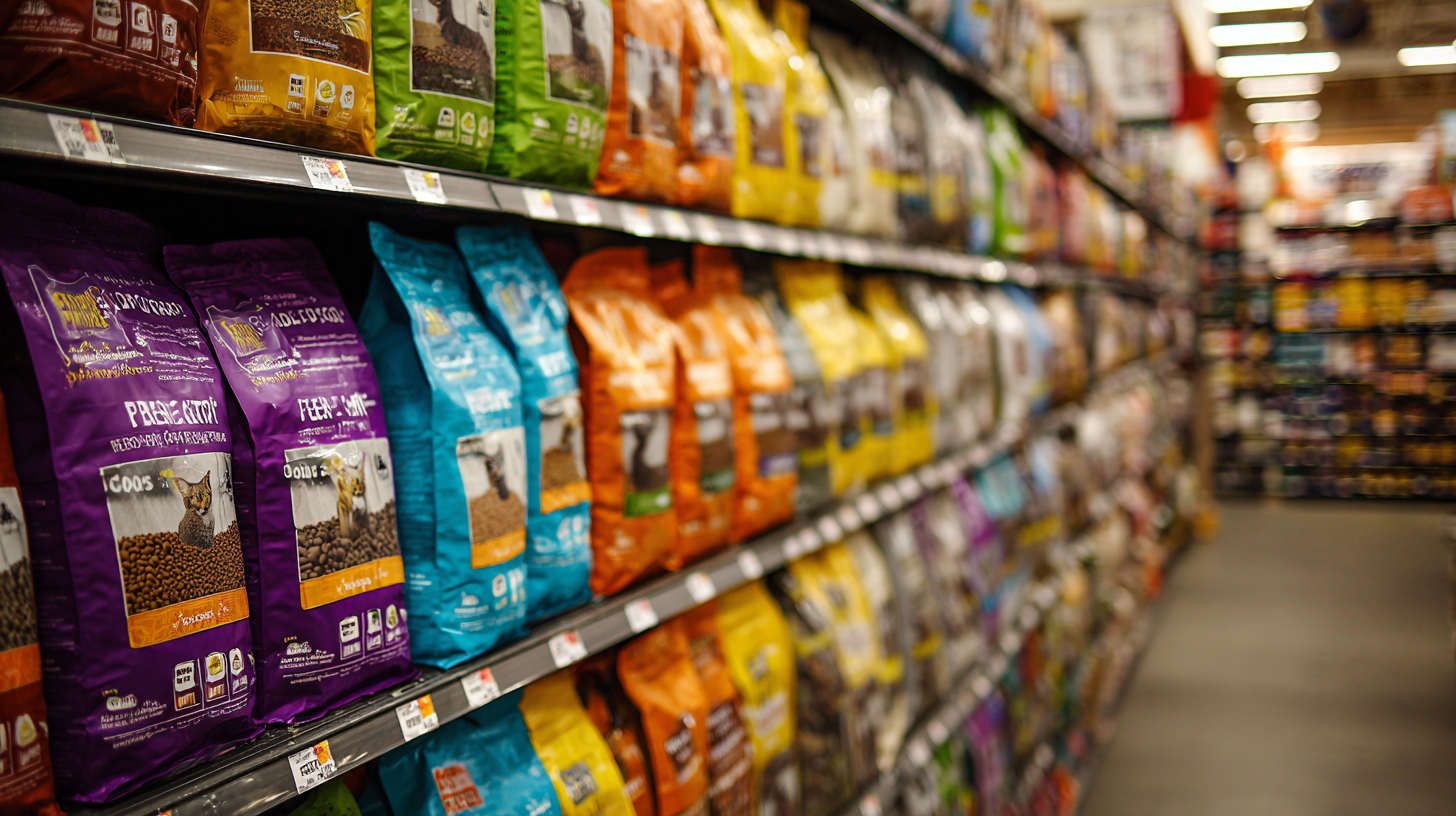
Standing in that pet food aisle, looking at hundreds of colorful bags and cans, can feel overwhelming.
You want to give your furry family member the very best, but the marketing claims and confusing terminology can make your head spin.
This guide will walk you through everything you need to know to read those labels like a pro and choose food that truly supports your pet’s health.
TL;DR
| Guide Type | Complete Label Reading Guide |
|---|---|
| For | Dogs, Cats, and All Pets |
| Reading Time | 15 minutes |
| Difficulty | Beginner Friendly |
| Key Focus | Safety and Nutrition |
| Expert Approved | Yes ✓ |
Why Understanding Pet Food Labels Matters for Your Pet
Reading pet food labels correctly helps you avoid foods with harmful fillers and ensures your pet gets proper nutrition. According to the ASPCA, only about 10% of pet food brands meet the highest nutritional standards, yet 80% of pet owners understand how important good nutrition is for their pets.
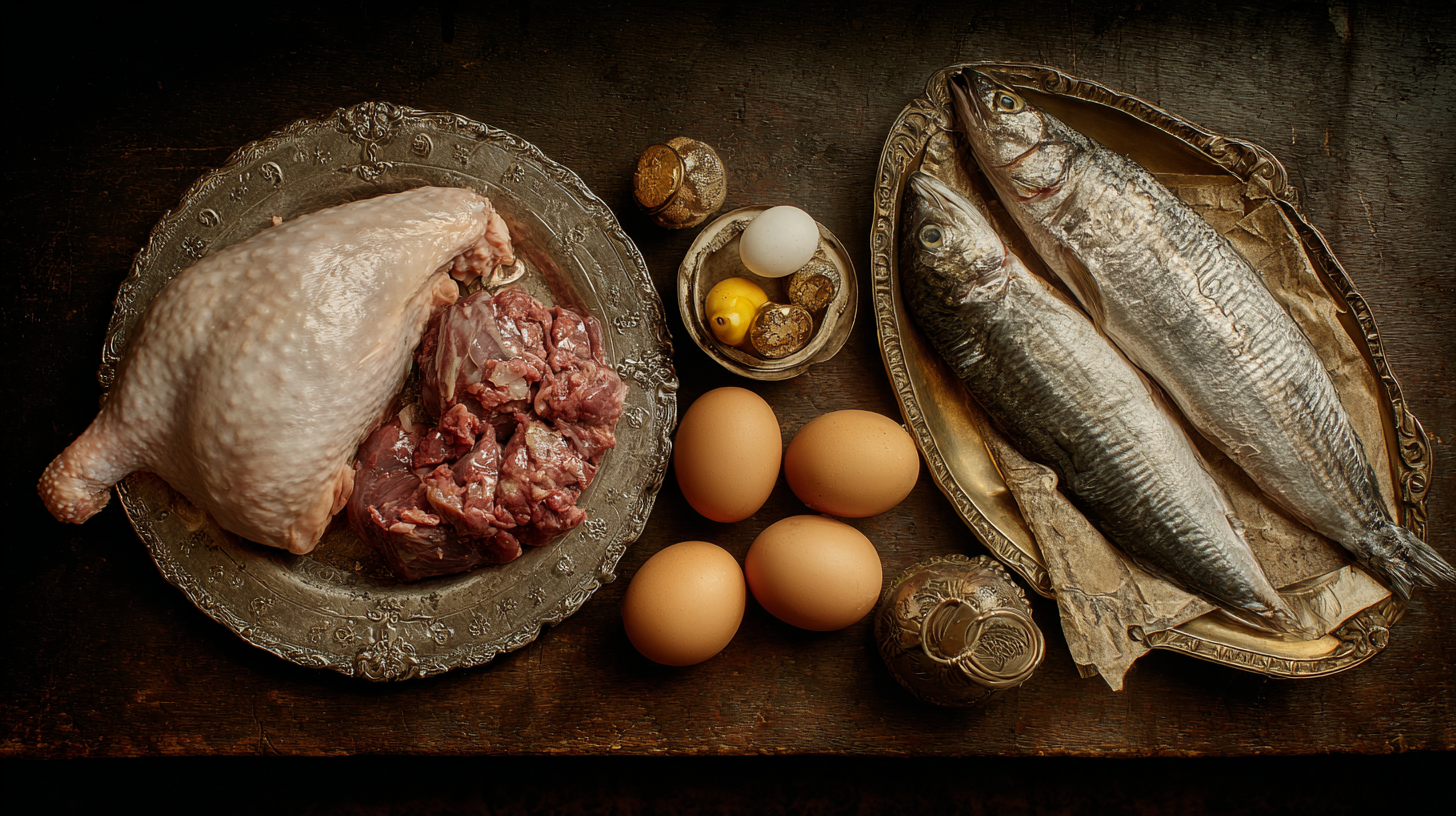
The ingredients list tells you exactly what your pet is eating, in order of weight. The first few ingredients make up most of the food, so you want to see high-quality protein sources like chicken, salmon, or beef listed first, not fillers like corn or wheat.
Understanding the guaranteed analysis section helps you compare foods accurately. This section shows minimum protein and fat percentages, plus maximum fiber and moisture content, giving you the real nutritional picture beyond marketing claims.
Understanding Regulatory Standards Behind Pet Food Labeling
The Association of American Feed Control Officials (AAFCO) and the FDA Animal and Veterinary division work together to ensure pet food safety and proper labeling. These organizations set the standards that protect your pet from harmful ingredients and misleading claims.
AAFCO creates the nutritional guidelines that determine whether a food is “complete and balanced” for your pet’s life stage. When you see this phrase on a label, it means the food has met strict nutritional requirements through either laboratory analysis or feeding trials.
The Guaranteed Analysis Section
The guaranteed analysis is your window into the food’s actual nutritional content. This section must show minimum percentages for crude protein and crude fat, plus maximum percentages for crude fiber and moisture.
These numbers let you compare foods accurately, but remember that “crude” doesn’t mean low quality – it refers to the testing method used. Higher protein percentages generally indicate better quality food, especially for active pets or growing puppies and kittens.
Nutritional Adequacy Statements
Look for a statement that says the food is “complete and balanced” for your pet’s specific life stage. This tells you whether the food is suitable for puppies/kittens, adults, seniors, or all life stages.
Foods labeled “for intermittent or supplemental feeding only” are treats or toppers, not complete meals. Your pet needs a complete and balanced diet as their primary food source to stay healthy.
The Significance of Ingredients in Pet Food Labels
Ingredients are listed by weight, with the heaviest ingredients first. This means the first five ingredients make up most of what your pet is actually eating, so you want to see quality proteins, wholesome carbohydrates, and beneficial fats in those top spots.
Named meat meals like “chicken meal” or “salmon meal” are actually more concentrated protein sources than whole meats because the water has been removed. Don’t avoid these – they often provide more protein per pound than fresh meat listed first.
| Ingredient Type | Nutritional Benefit | What to Look For |
|---|---|---|
| High-quality animal protein | Essential amino acids for muscle development | Named meats like chicken, beef, salmon |
| Meat meals | Concentrated protein source | Specific meals like “chicken meal” not “meat meal” |
| Whole grains | Digestible carbohydrates and fiber | Brown rice, oats, quinoa |
| Vegetables and fruits | Vitamins, minerals, antioxidants | Sweet potatoes, carrots, blueberries |
Avoid foods where the first ingredient is a grain or vegetable, unless you’re feeding a vegetarian diet recommended by your vet. Pets are primarily carnivores and need animal protein as their main energy source.
Decoding Product Names and Marketing Claims
Pet food names follow strict rules that tell you how much of the named ingredient is actually in the food. Understanding these rules helps you see past marketing claims to the real nutritional content.
If a food is called “Chicken Dog Food,” it must contain at least 95% chicken (excluding water for processing). But if it’s called “Chicken Dinner” or “Chicken Platter,” it only needs to be 25% chicken – a huge difference that affects nutritional value.
Foods labeled “Dog Food with Chicken” only need to contain 3% chicken, while “Chicken Flavored” foods just need detectable chicken flavor with no minimum percentage required. These naming rules help you understand what you’re really buying for your pet.
Meeting Your Pet’s Specific Dietary Needs
Different life stages require different nutritional profiles, and the label should clearly state which life stage the food supports. Puppies and kittens need higher protein and fat for growth, while senior pets might benefit from easier-to-digest ingredients.
A “complete and balanced” statement means the food provides all essential nutrients in proper ratios, so you don’t need to add supplements unless your vet recommends them. This designation comes from meeting AAFCO nutrient profiles or passing feeding trials.
| Pet Life Stage | Minimum Protein | Minimum Fat | Special Considerations |
|---|---|---|---|
| Puppy | 22.5% | 8% | Higher calories for growth |
| Adult Dog | 18% | 5% | Maintenance levels for health |
| Kitten | 30% | 9% | Essential for rapid development |
| Adult Cat | 26% | 9% | Higher protein needs than dogs |
Always check the feeding guidelines as a starting point, but adjust portions based on your pet’s body condition, activity level, and individual metabolism. Your vet can help you determine the right amount for your specific pet.
Understanding Specialized Diets and Health Claims
Terms like “natural,” “organic,” and “human-grade” have specific meanings regulated by AAFCO and the FDA. “Natural” means the ingredients haven’t been chemically synthesized, while “organic” requires meeting USDA organic standards for ingredient sourcing and processing.
Grain-free diets became popular based on the idea that grains are fillers, but many pets digest grains just fine. In fact, some grain-free foods replace grains with potatoes or legumes, which can be higher in carbohydrates than the grains they replace.
Limited ingredient diets can help pets with food sensitivities, but they should only be used when necessary. These foods intentionally restrict ingredients, which can limit nutritional variety that most healthy pets benefit from.
Comparing Foods Using the Guaranteed Analysis
The guaranteed analysis lets you compare the nutritional content of different foods objectively. Look at protein, fat, and fiber percentages to see which foods offer better nutritional density for your pet.
Higher protein percentages generally indicate better quality, especially for active pets, but the protein source matters too. Animal proteins provide complete amino acid profiles that plant proteins cannot match on their own.
Moisture content affects the concentration of other nutrients – wet foods typically show lower protein percentages because of higher water content, but the actual protein concentration may be similar to dry food when you account for moisture differences.
Red Flags to Avoid on Pet Food Labels
Avoid foods where the first ingredient is a grain, vegetable, or unnamed meat source like “meat meal” or “poultry meal.” These vague terms don’t tell you what animal the protein comes from, making it impossible to avoid potential allergens.
Be cautious of foods with long lists of chemical preservatives like BHA, BHT, or ethoxyquin. While these are approved for use, natural preservatives like mixed tocopherols (vitamin E) are gentler options for daily feeding.
Foods with excessive amounts of salt, sugar, or artificial colors serve no nutritional purpose for pets and may contribute to health problems over time. Your pet doesn’t need their food to look appealing to humans – they care about smell and taste, not color.
Making the Switch to Better Food
When transitioning to a new food, do it gradually over 7-10 days to avoid digestive upset. Start by mixing 25% new food with 75% old food, then gradually increase the new food percentage every few days.
Watch for positive changes like improved coat shine, better energy levels, smaller stools, and fresher breath. These signs indicate your pet is digesting and utilizing the new food well.
Keep a feeding journal during transitions, noting any changes in appetite, digestion, or behavior. This information helps your vet assess whether the new food is working well for your specific pet.
Working with Your Veterinarian
Your vet knows your pet’s health history and can recommend foods that support any specific conditions or life stage requirements. They can also help you interpret labels and choose between similar products.
Bring pet food labels to vet appointments so you can discuss ingredients and nutritional adequacy together. This collaborative approach ensures your pet gets the best possible nutrition for their individual needs.
Don’t hesitate to ask your vet about new diet trends or marketing claims you see. They can help you separate science-based nutrition from marketing hype, protecting your pet from unnecessary dietary experiments.
Frequently Asked Questions
How do I know if a pet food is actually high quality?
Look for named animal proteins in the first few ingredients, an AAFCO nutritional adequacy statement, and a guaranteed analysis that meets your pet’s life stage requirements. High-quality foods also typically have shorter ingredient lists with recognizable ingredients and avoid excessive fillers or artificial additives.
Are grain-free diets better for my pet?
Not necessarily. Most pets digest grains well, and grain-free foods often replace grains with potatoes or legumes that can be higher in carbohydrates. The FDA is also investigating potential links between grain-free diets and heart problems in dogs, so discuss this choice with your vet first.
What does “human-grade” really mean on pet food labels?
“Human-grade” means the food was manufactured in facilities that meet human food safety standards and could theoretically be eaten by humans. However, once a product is labeled for pets, it cannot re-enter the human food chain, and the term isn’t regulated as strictly as you might think.
Should I choose foods with the highest protein percentage?
Not always. While protein is important, the quality of the protein source matters more than the percentage. A food with 30% protein from quality animal sources is better than one with 35% protein from plant sources. Also consider your pet’s age, activity level, and health status when choosing protein levels.
How often should I switch my pet’s food?
Healthy pets don’t need frequent food changes – consistency is often better for digestion. However, you might need to switch due to life stage changes, health conditions, or if your current food is discontinued. For variety, you can rotate between 2-3 high-quality foods that meet your pet’s needs, but always transition gradually.
Are expensive pet foods always better than cheaper ones?
Price doesn’t always indicate quality. Some expensive foods pay for marketing rather than better ingredients, while some moderately-priced foods offer excellent nutrition. Focus on reading the ingredients list, guaranteed analysis, and nutritional adequacy statement rather than just the price tag. You can find great nutrition at various price points.
What should I do if my pet won’t eat a high-quality food?
Try a gradual transition, mixing the new food with something appealing like a small amount of wet food or bone broth. Some pets need time to adjust to different textures or flavors. If your pet consistently refuses quality foods, work with your vet to find nutritious options that appeal to their preferences – nutrition only works if they actually eat it.
Final Thoughts
Decoding Pet Food Labels becomes much easier once you understand the basic rules and regulations behind the information.
You now have the knowledge to see past marketing claims and focus on what really matters – quality ingredients, proper nutrition, and foods that support your pet’s specific life stage and health needs.
Take your time in the pet food aisle, read those labels carefully, and remember that investing in good nutrition today supports your pet’s health for years to come.
Subscribe to Our Newsletter