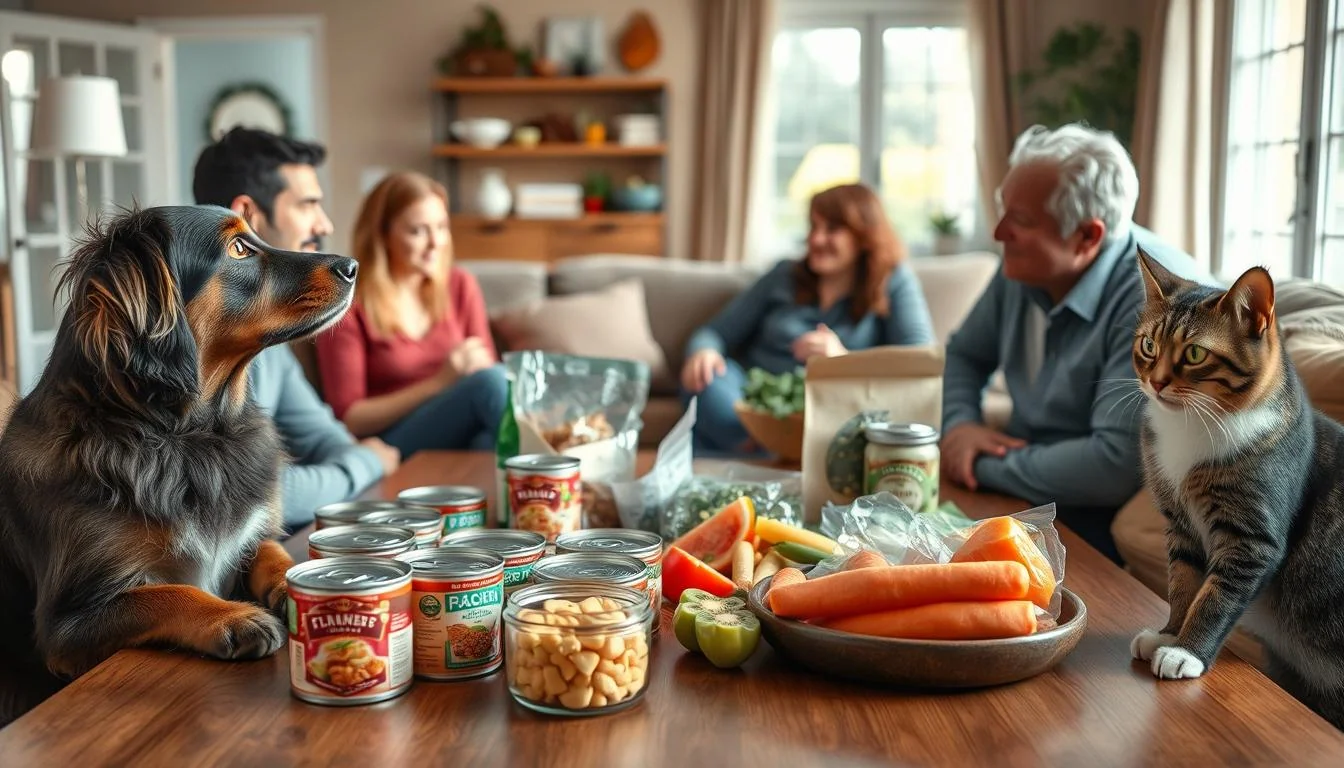
Hidden Dangers in Pet Food are everywhere in commercial products, and you’re right to be concerned about what you’re feeding your furry family member.
Too many pet owners discover scary ingredients like BHA, BHT, and artificial colors only after their pets develop health issues.
The good news is that once you know what to look for, protecting your pet becomes much easier.
TL;DR
| Recipe Type | Pet Food Safety Guide |
| For | Dogs, Cats, All Pets |
| Reading Time | 8 minutes |
| Key Focus | Ingredient Safety |
| Difficulty | Easy to Follow |
| Vet Approved | Yes ✓ |
Why This Information Is Good for Your Pet
Understanding dangerous ingredients protects your pet from serious health problems that could develop over time. Commercial pet foods often contain artificial preservatives like BHA and BHT that have been linked to liver and kidney damage, according to the FDA Animal Veterinary Center.
Many pet foods also contain contaminants that exceed safe levels for human consumption. The Clean Label Project found lead levels in some pet foods that were 55 times higher than the contaminated water in Flint, Michigan.
By learning to identify these ingredients, you can make safer choices that support your pet’s long-term health and wellbeing.
Before You Start
- Your current pet food labels for comparison
- A notepad to write down concerning ingredients
- Access to your veterinarian’s contact information
- Time to research alternative food brands
Ingredients to Avoid Completely
Artificial Preservatives
- BHA (Butylated Hydroxyanisole)
- BHT (Butylated Hydroxytoluene)
- Ethoxyquin
- Propylene glycol
Dangerous Colorants
- Blue 2
- Red 40
- Yellow 5 and 6
- Any artificial dyes
Questionable Proteins
- Unspecified “meat meal”
- Generic “animal protein”
- Meat by-products from unknown sources
- Rendered fats
Instructions for Reading Pet Food Labels
- Check the first five ingredients. These make up the majority of the food and should be recognizable, whole ingredients.
- Look for named protein sources. “Chicken” or “salmon” is better than “poultry meal” or “fish meal.”
- Scan for artificial preservatives. Natural preservatives like mixed tocopherols (Vitamin E) are safer choices.
- Avoid vague terminology. Terms like “meat flavor” or “animal digest” often hide low-quality ingredients.
- Verify AAFCO compliance. This ensures the food meets basic nutritional standards for your pet’s life stage.
Serving Size by Pet Type
| Pet Type | Key Concerns |
|---|---|
| Small Dogs (Under 25 lbs) | Xylitol toxicity, excess sodium |
| Large Dogs (Over 25 lbs) | Joint support, weight management |
| Cats | Onion/garlic toxicity, carrageenan |
| Senior Pets | Kidney support, digestive health |
These guidelines help you focus on the most important safety concerns for your specific pet. Always consult your veterinarian about dietary changes.
Common Mistakes to Avoid
Assuming expensive means better. Price doesn’t always indicate quality – some premium brands still use questionable ingredients.
Ignoring the ingredient order. Ingredients are listed by weight, so the first few are most important.
Trusting marketing terms. Words like “natural” and “holistic” aren’t regulated and can be misleading.
Switching foods too quickly. Even when changing to safer food, transition gradually over 7-10 days.
Quick Test
If you can’t pronounce or recognize most ingredients in the first five, consider it a red flag. Your pet’s food should contain ingredients you would recognize in your own kitchen.
Making a Larger Safety Assessment
Evaluate multiple foods. Compare 3-4 different brands using the same criteria for a complete picture.
Research the manufacturer. Look up recall history and manufacturing practices before committing to a brand.
Create a safety checklist. Write down must-avoid ingredients and keep it handy while shopping.
Document your findings. Keep notes on which brands pass your safety standards for future reference.
Substitutions and Add-Ons
Instead of artificial preservatives
Mixed tocopherols (Vitamin E) – Natural preservative that’s safe and effective for maintaining food freshness.
Rosemary extract – Another natural preservative that adds antioxidant benefits.
Instead of generic proteins
Named meat sources – Look for “deboned chicken” or “salmon meal” rather than “poultry meal.”
Limited ingredient formulas – Easier to identify what your pet is actually eating.
Healthy additions to consider
Probiotics – Support digestive health naturally without artificial additives.
Omega-3 sources – Fish oil or flaxseed provide healthy fats for coat and skin.
Never feed these to any pet
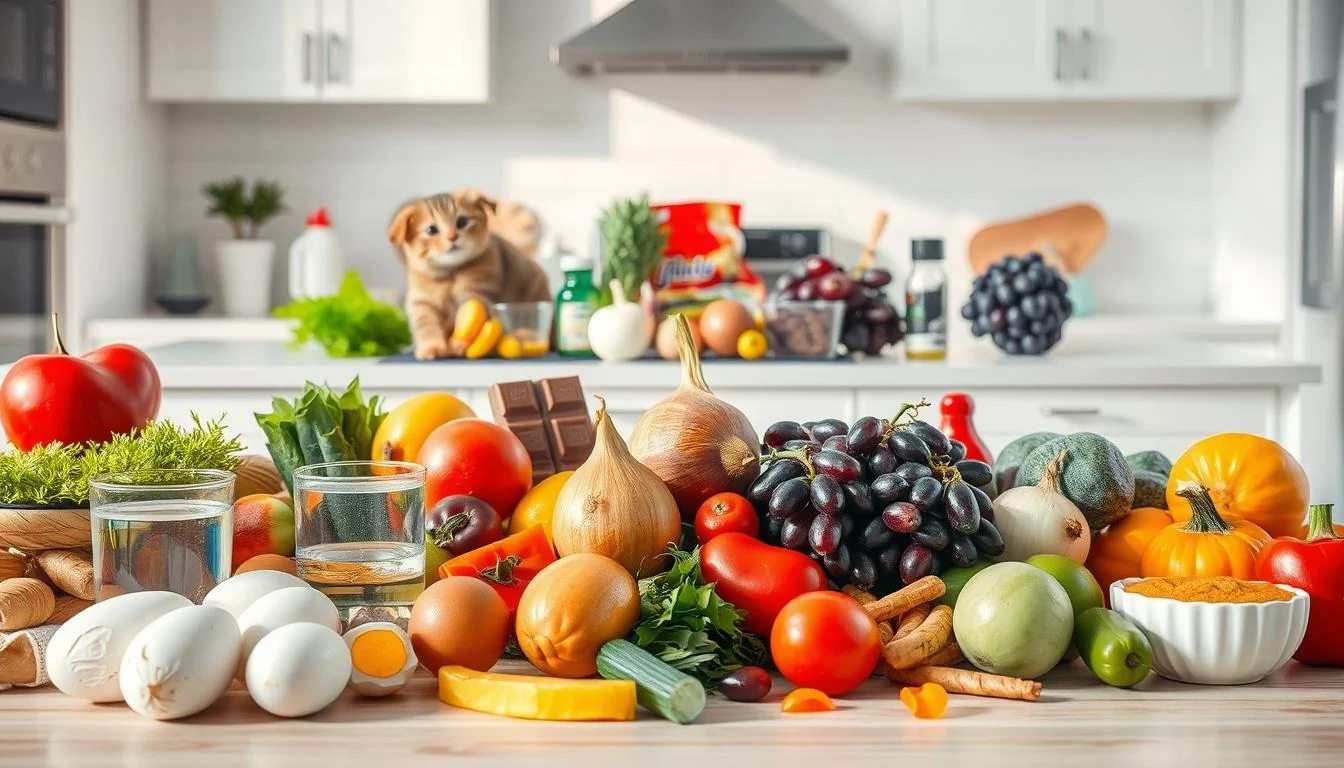
Xylitol, chocolate, grapes, raisins, onions, garlic, macadamia nuts, or anything containing these ingredients. These are toxic to most pets and can cause serious illness or death.
Storage Tips
Keep food in original packaging. The bag is designed to preserve freshness and contains important safety information.
Store in a cool, dry place. Heat and humidity can cause spoilage and reduce nutritional value.
Check expiration dates regularly. Expired food can harbor dangerous bacteria or lose nutritional potency.
Watch for signs of spoilage. Unusual smells, mold, insects, or changes in color mean it’s time to discard the food immediately.
Frequently Asked Questions
How do I know if my current pet food is safe?
Read the ingredient list carefully and look for the dangerous ingredients mentioned in this guide. If you find artificial preservatives like BHA or BHT, or vague terms like “meat by-products,” consider switching to a safer option. You can also check if the manufacturer has had any recent recalls.
What should I do if I discover my pet has been eating dangerous ingredients?
Don’t panic – many pets eat these ingredients for years without immediate problems. Schedule a check-up with your vet to discuss your concerns and start transitioning to a safer food gradually. Monitor your pet for any changes in behavior, appetite, or health during the transition.
Are expensive pet foods automatically safer?
Not necessarily. Price often reflects marketing and packaging costs rather than ingredient quality. Some affordable brands use cleaner ingredients than expensive ones. Always read labels regardless of price point and focus on ingredient quality over brand prestige.
How quickly should I switch to a safer pet food?
Transition gradually over 7-10 days to avoid digestive upset. Start with 75% old food and 25% new food for the first few days, then gradually increase the new food proportion. This gives your pet’s digestive system time to adjust to the new ingredients.
Can I make homemade food instead of buying commercial food?
Homemade food can be safer when done correctly, but it requires careful planning to ensure nutritional balance. Consider trying our Chicken and Sweet Potato Dog Dinner as a starting point. Always consult with your veterinarian before making homemade food your pet’s primary diet.
What’s the difference between “natural” and “organic” on pet food labels?
Natural means ingredients come from natural sources but doesn’t guarantee they’re free from processing or additives. Organic has stricter regulations and means ingredients were produced without synthetic pesticides, fertilizers, or GMOs. Neither term guarantees the absence of all dangerous ingredients, so always read the full ingredient list.
Should I be concerned about grain-free diets?
The FDA has investigated a potential link between grain-free diets and heart disease in dogs, but the research is ongoing. Grain-free isn’t automatically better or worse – focus on overall ingredient quality rather than whether grains are present. If your pet doesn’t have grain allergies, grains can be a healthy part of their diet.
Final Thoughts
Hidden Dangers in Pet Food are real, but now you have the knowledge to protect your beloved companion.
Reading labels might feel overwhelming at first, but it becomes second nature once you know what to look for.
Your pet depends on you to make these important decisions, and every safer choice you make contributes to their long-term health and happiness.
Subscribe to Our Newsletter