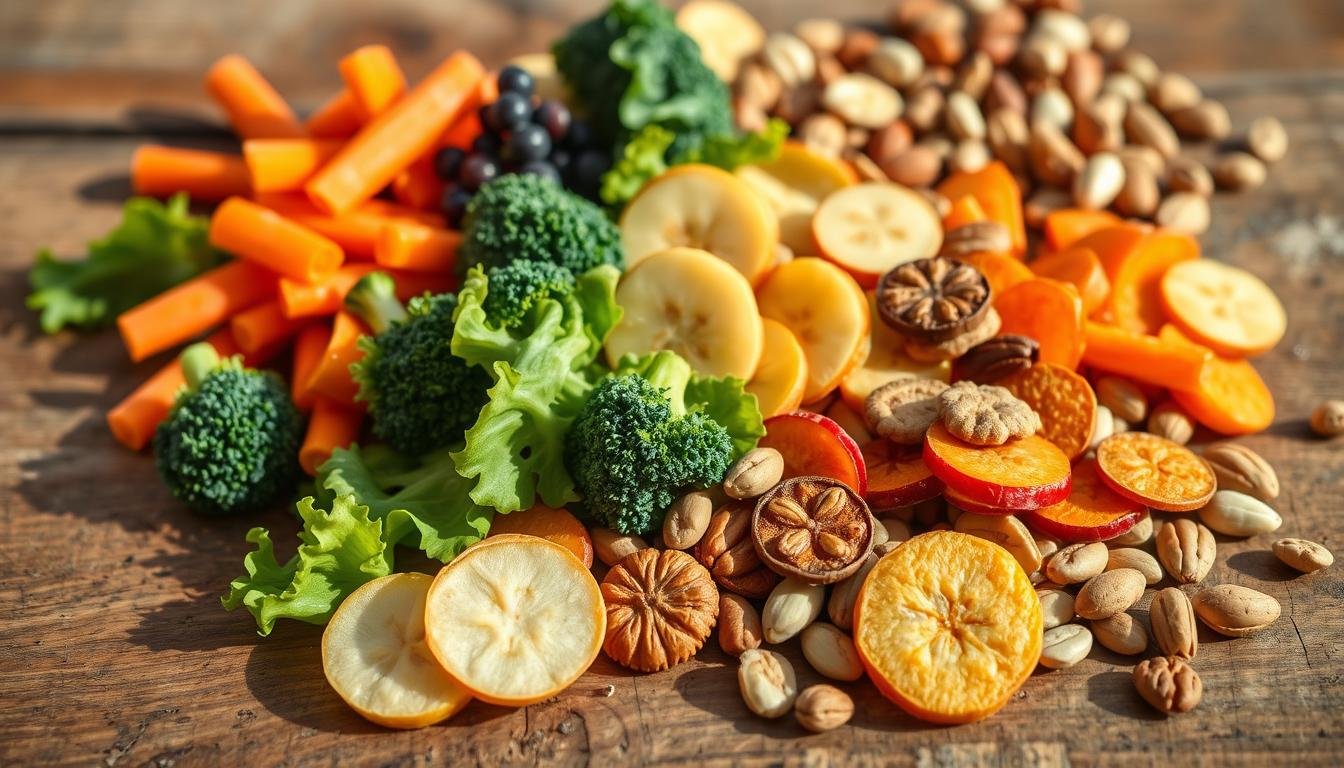

This Homemade Bird Seed Mix is a simple way to attract more birds to your backyard while giving them healthier food than store-bought options.
If you have ever wondered whether you are feeding the right things to your feathered visitors, this recipe uses ingredients that birds naturally love and need for optimal health.
TL;DR
| Recipe Type | Complete Bird Seed Mix |
| For | Backyard Birds |
| Prep Time | 5 minutes |
| Cook Time | None |
| Yield | 4 cups |
| Difficulty | Easy |
| Vet Approved | Yes ✓ |
Homemade Bird Seed Mix Recipe
Here is everything you need to make this nutritious bird seed mix at home. The ingredients are simple and the steps are straightforward.
Before You Start
- Large mixing bowl
- Measuring cups
- Airtight storage containers
- Clean feeders for serving
Ingredients
- 1 cup black oil sunflower seeds
- 1 cup white proso millet
- 1/2 cup safflower seeds
- 1/2 cup cracked corn
- 1/4 cup peanuts, unsalted
- 1/4 cup nyjer seeds (optional)
- 1 tablespoon dried fruit pieces (optional)
Instructions
- Gather your ingredients. Check that all seeds are fresh and free from mold or dust.
- Combine the base ingredients. Mix the sunflower seeds, millet, safflower seeds, and cracked corn in a large bowl.
- Add the protein. Stir in the peanuts and optional nyjer seeds for extra nutrition.
- Add optional extras. Mix in dried fruit pieces if desired for variety and energy.
- Store properly. Transfer to airtight containers and label with the date made.
Serving Size by Feeder Type
| Feeder Type | Amount to Fill |
|---|---|
| Tube Feeder | 1 to 2 cups |
| Platform Feeder | 1/2 cup daily |
| Hopper Feeder | 2 to 3 cups |
| Ground Feeding | 1/4 cup scattered |
These are general guidelines only. Adjust amounts based on how many birds visit your yard and local weather conditions.
Common Mistakes to Avoid
- Using moldy or stale seeds. Always check ingredients for freshness before mixing. Old seeds can make birds sick.
- Filling feeders too full. Only add what birds can eat in 2-3 days to prevent waste and spoilage.
- Forgetting to clean feeders. Wash feeders with mild soap every two weeks to prevent disease spread.
- Placing feeders too close to windows. Keep feeders at least 3 feet from glass to prevent bird collisions.
Quick Test
Scatter a small amount on the ground first to see which birds in your area prefer which ingredients. This helps you adjust future batches.
Making a Larger Batch
- Double the recipe. Use the same ratios but mix in batches to ensure even distribution.
- Triple the recipe. Consider your storage space and how quickly you go through seed before making huge batches.
- Store in portions. Divide large batches into smaller containers for easier handling and freshness.
- Label everything. Mark containers with ingredients and date to track freshness.
Substitutions and Add-Ons
Hulled sunflower seeds – Use instead of black oil sunflower seeds for less mess but higher cost.
Mealworms – Add dried mealworms for extra protein that woodpeckers and bluebirds love.
Red millet – Can replace white millet but is less preferred by most birds.
Pumpkin seeds – Raw, unsalted pumpkin seeds add variety and nutrients.
Chopped peanuts – Easier for smaller birds to handle than whole peanuts.

Storage Tips
Airtight containers. Store in metal or heavy plastic containers to keep moisture and pests out.
Cool, dry location. Keep containers in a garage, basement, or pantry away from heat and humidity.
Use within 2 months. Fresh ingredients maintain their nutritional value and appeal to birds longer.
Check regularly. Inspect stored seed monthly for signs of mold, insects, or rodent damage.
Why This Recipe Is Good for Your Backyard Birds
Black oil sunflower seeds provide essential fats and proteins that support healthy feathers and energy levels.
According to the FDA Animal Veterinary division, using fresh, whole ingredients when preparing homemade pet food supports better nutrition.
Millet and cracked corn offer carbohydrates that give birds quick energy for daily activities and migration.
The ASPCA recommends providing diverse food sources to support different bird species throughout the year.
Frequently Asked Questions
How long does homemade bird seed mix stay fresh?
When stored properly in airtight containers, this mix stays fresh for up to 2 months. Check regularly for any signs of mold or insects.
Can I use this mix year-round?
Yes, this basic mix works well in all seasons. You might want to add extra high-fat ingredients like suet in winter for additional energy.
What birds will this mix attract?
This mix attracts cardinals, chickadees, finches, sparrows, and many other common backyard birds. Different ingredients appeal to different species.
Is it cheaper than store-bought bird seed?
Making your own can cost less per pound and you control the quality of ingredients. You avoid fillers that birds do not eat.
How often should I refill my feeders?
Refill feeders every 2-3 days or when they are about half empty. This keeps the seed fresh and prevents spoilage.
Can I add my own ingredients to this homemade bird seed mix?
Absolutely, you can customize this base recipe with ingredients like dried berries, hemp hearts, or specific seeds that local birds in your area prefer.
Final Thoughts
This Homemade Bird Seed Mix gives you control over what you offer your feathered visitors.
You know every ingredient is fresh and nutritious, which means healthier, happier birds in your yard.
Mix up a batch this week and watch as more birds discover your feeders.
Subscribe to Our Newsletter