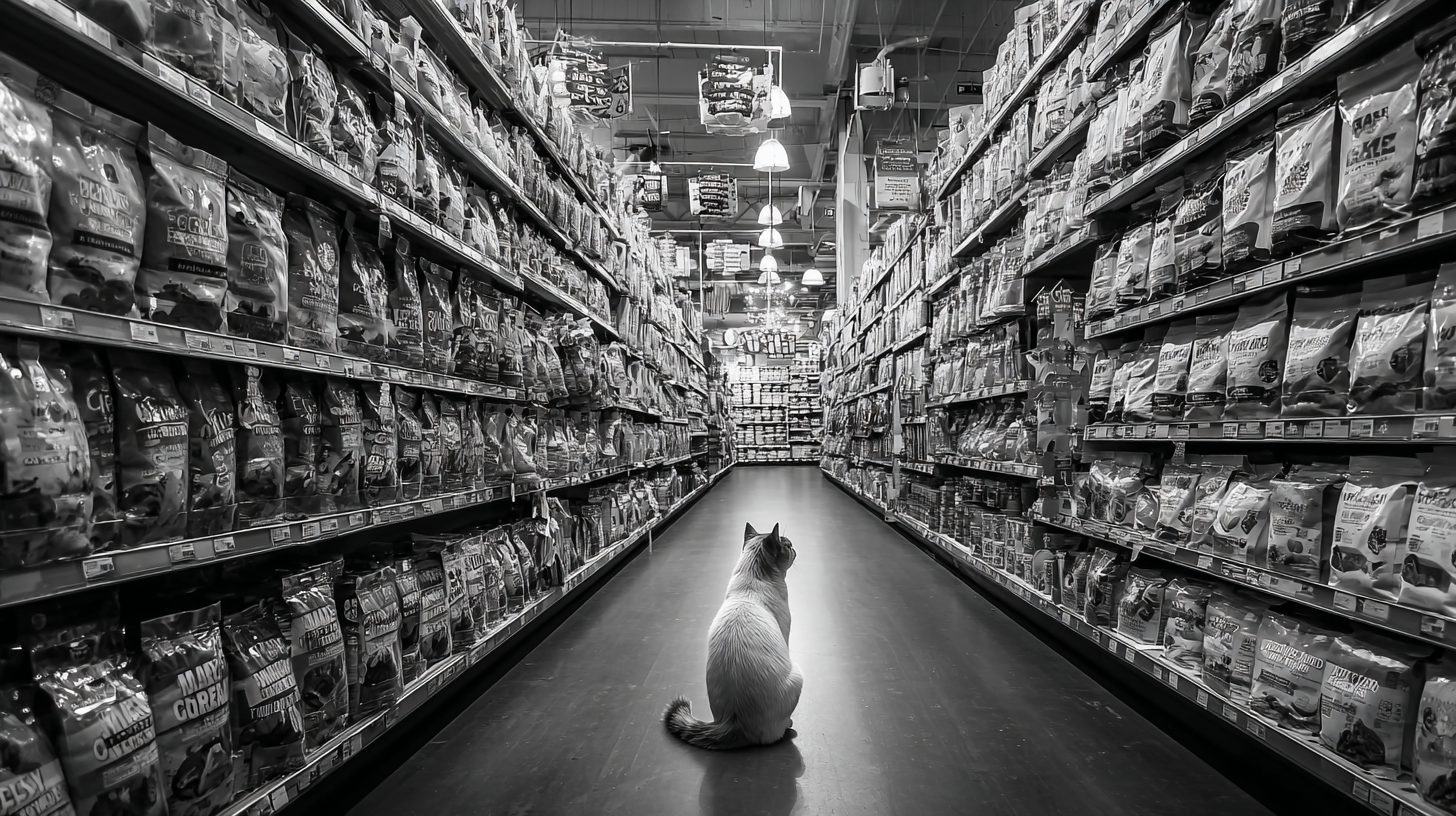

This safe pet diet transition guide helps you switch your pet to a new food without stomach upset or stress. Many pet parents worry about making dietary changes, and rightfully so – your pet’s digestive system is sensitive and needs careful handling.
The good news is that with the right approach, you can make this change smoothly and safely for both you and your furry friend.
TL;DR
| Guide Type | Safe Diet Transition |
| For | Dogs and Cats |
| Transition Time | 7-10 days (dogs), up to 40 days (cats) |
| Method | Gradual food mixing |
| Success Rate | High when done properly |
| Difficulty | Easy with patience |
| Vet Approved | Yes ✓ |
Safe Pet Diet Transition Guide
Switching your pet’s food safely requires patience and the right technique. This guide walks you through every step to ensure your pet adapts comfortably to their new diet.
Before You Start
- Your pet’s current food (enough for mixing during transition)
- The new food you want to switch to
- Measuring cups for accurate portions
- A notebook to track your pet’s response
- Your veterinarian’s contact information
What You Need
- Current pet food (sufficient supply for 7-10 days)
- New pet food
- Measuring tools for accurate portions
- Optional: Low-sodium chicken broth (for dogs) or tuna water (for cats) as flavor enhancers
- Optional: Plain pumpkin puree for digestive support
- Optional: Pet-safe probiotics if recommended by your vet
Transition Steps
- Start the transition. Mix 25% new food with 75% old food for the first 2-3 days. Watch your pet closely for any digestive upset or refusal to eat.
- Increase new food gradually. On days 3-4, change the ratio to 50% new food and 50% old food. Continue monitoring their response and energy levels.
- Shift the balance. On days 5-7, use 75% new food with 25% old food. Most pets adapt well by this stage if the transition is going smoothly.
- Complete the switch. By days 7-10, feed 100% new food if your pet has shown no adverse reactions. Some sensitive pets may need a slower timeline.
- Monitor for two weeks. Continue watching for any delayed reactions or digestive issues even after the full transition is complete.
Transition Timeline by Pet Type
| Pet Type | Recommended Timeline |
|---|---|
| Healthy Dogs | 7-10 days |
| Sensitive Dogs | 10-14 days |
| Healthy Cats | 2-4 weeks |
| Picky Cats | 4-6 weeks |
| Pets with Health Issues | Consult veterinarian |
These are general guidelines only. Pets with chronic health conditions or known food sensitivities should have their transition supervised by a veterinarian.
Common Mistakes to Avoid
- Switching too quickly. Rushing the process is the number one cause of digestive upset. Even if your pet seems eager for the new food, stick to the gradual timeline.
- Ignoring early warning signs. Loose stools, vomiting, or loss of appetite mean you need to slow down or pause the transition.
- Mixing foods incorrectly. Measure portions accurately to ensure the right ratios. Eyeballing can lead to too much new food too fast.
- Not having enough old food. Start your transition when you still have plenty of the current food left to avoid running out mid-process.
- Switching during stressful times. Avoid diet changes during moves, vacations, or other disruptions to your pet’s routine.
Success Tip
Keep a simple log of what you fed each day and how your pet responded. This helps you identify patterns and provides valuable information for your vet if issues arise.
Special Considerations for Multiple Pets
- Separate feeding areas. Feed pets in different locations to ensure each gets the right food mixture during transition.
- Individual timelines. Each pet may adapt at their own pace, so don’t assume they can all switch on the same schedule.
- Monitor each pet separately. Watch for signs of stress or illness in each animal individually.
- Consider staggered transitions. You might transition one pet at a time to reduce household stress and make monitoring easier.
Helpful Additions During Transition
Low-sodium chicken broth – A tablespoon mixed with food can make the new diet more appealing to dogs.
Tuna water – The liquid from canned tuna (in water, not oil) can entice picky cats to try new food.
Plain pumpkin puree – One teaspoon can help settle sensitive stomachs during the switch.
Warming the food – Slightly warming wet food releases aromas that make it more appealing to cats.
Probiotics – Pet-safe probiotics can support digestive health during food changes.
Managing Food During Transition
Keep foods separate. Store old and new foods in their original containers to maintain freshness and prevent confusion.
Measure daily portions. Pre-measure each day’s food mixture to ensure consistent ratios and avoid overfeeding.
Monitor expiration dates. Make sure both foods stay fresh throughout the transition period.
Have backup plans. Keep some of the old food even after completing the transition in case you need to temporarily revert.
Why Gradual Transitions Are Important for Your Pet
Your pet’s digestive system contains millions of beneficial bacteria that help break down and absorb nutrients from their current food.
According to the FDA Animal Veterinary division, sudden diet changes can disrupt this delicate bacterial balance and cause gastrointestinal distress.
A gradual transition gives these beneficial bacteria time to adapt to new ingredients and maintain proper digestive function.
The VCA Animal Hospitals recommend this slow-change method because it reduces stress on both the digestive system and your pet’s overall well-being.
Frequently Asked Questions
How do I know if the transition is going well?
Good signs include normal bowel movements, maintained appetite, steady energy levels, and no vomiting. Your pet should seem comfortable and eager for mealtime throughout the process.
What if my pet refuses to eat the new food mixture?
Try adding a small amount of low-sodium broth or warming the food slightly. You can also slow down the transition and stay at the current ratio a few extra days before progressing.
My pet has loose stools during the transition – should I stop?
Mild digestive upset can be normal, but loose stools mean you should pause the transition or go back to the previous ratio. If symptoms persist more than 24 hours, contact your veterinarian.
Can I transition during other life changes like moving?
It’s best to avoid diet transitions during stressful times like moves, new babies, or schedule changes. Wait until your pet’s routine is stable before introducing new food.
How long after completing the transition should I monitor my pet?
Continue watching for at least two weeks after completing the full switch. Some reactions can be delayed, and it takes time to see how well your pet adapts to their new nutrition.
Do I need to transition treats and snacks too?
Yes, if you’re changing treat brands or types, follow the same gradual process. Introduce new treats one at a time and in small amounts to monitor for any reactions.
What should I do if my pet has a known food allergy?
Pets with food allergies need extra careful monitoring and may require elimination diet protocols. Work with your veterinarian to create a safe pet diet transition plan that avoids known allergens.
Final Thoughts
A safe pet diet transition takes patience, but it’s one of the most important skills for any pet parent to master.
By following this gradual approach, you protect your pet’s digestive health while giving them time to adjust to new flavors and textures.
Remember that every pet is different, so don’t hesitate to slow down the process if your furry friend needs extra time to adapt.
“`
Subscribe to Our Newsletter