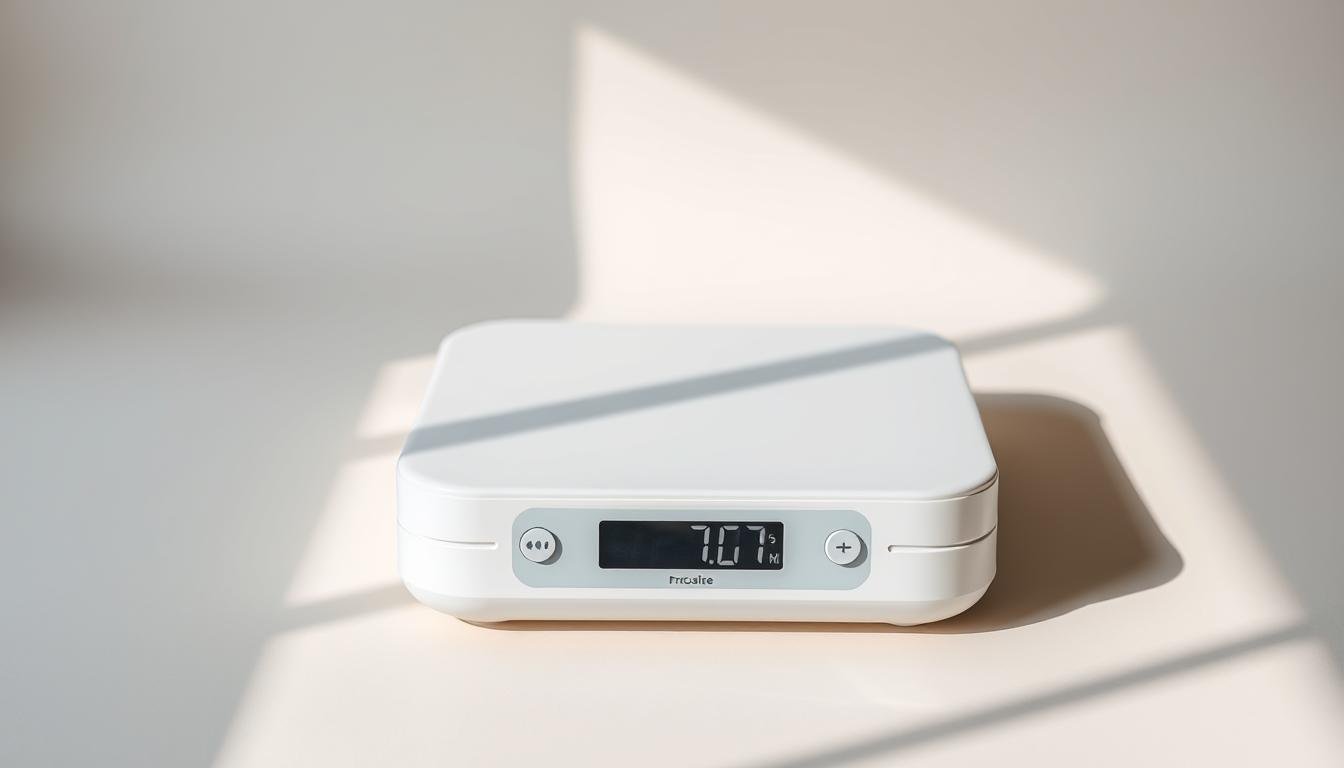
This Mini Food Processor for Pet Food guide will help you choose the perfect kitchen tool for making healthy homemade meals.
First Posted June 16, 2025 | [lmt-post-modified-info]If you have ever felt overwhelmed by all the different choppers and processors available, you are not alone.
Finding the right appliance makes preparing fresh pet food so much easier and safer for your furry family members.
TL;DR
| Guide Type | Kitchen Equipment Review |
| For | Dogs, Cats, and Small Pets |
| Budget Range | $25-$150 |
| Best For | Homemade pet meal prep |
| Difficulty | Easy to use |
| Vet Approved | Yes ✓ |
Why A Mini Food Processor Is Good for Your Pet
Making homemade pet food gives you complete control over what goes into your pet’s bowl. You can avoid fillers, preservatives, and questionable ingredients found in some commercial foods, according to the FDA’s Animal Veterinary division.
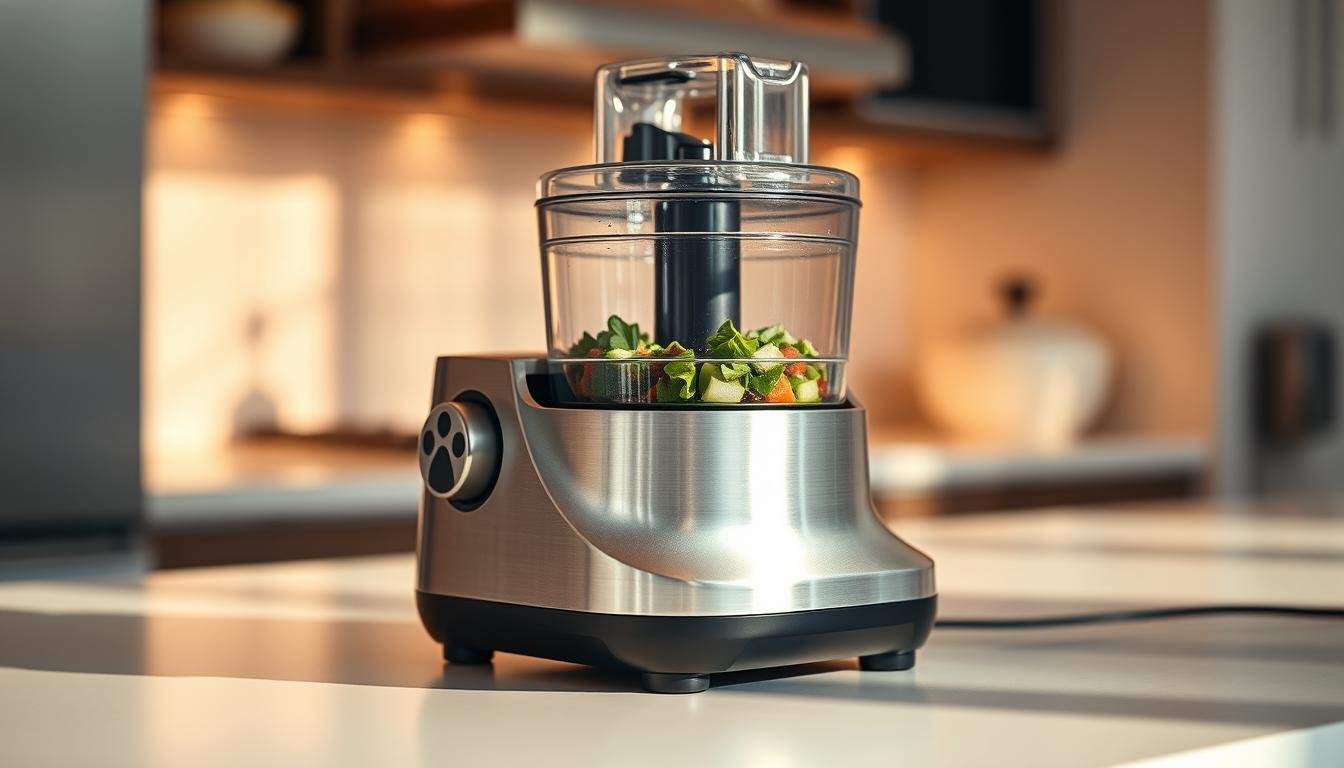
A mini food processor makes meal prep faster and more consistent. It ensures ingredients are chopped to the right size for your pet’s safety and digestion.
These compact appliances save counter space while giving you the power to create fresh, nutritious meals your pet will love. The ASPCA notes that proper food preparation is key to pet nutrition success.
Before You Start Shopping
- Measure your counter and storage space
- Consider your pet’s meal portion sizes
- Think about how often you will make homemade food
- Set a realistic budget for your needs
Essential Features to Look For

Power and Blade Quality
Look for stainless steel blades that can handle raw meat and tough vegetables. A motor with at least 200 watts gives you enough power for most pet food prep tasks.
Size and Capacity
Choose based on your pet’s size and your batch cooking habits. Small processors (1-1.5 cups) work well for cats and small dogs, while medium ones (2-3 cups) suit larger dogs.
Easy Cleaning
Dishwasher-safe parts save you time and ensure proper hygiene. Look for smooth surfaces without deep crevices where food can hide.
Top Mini Food Processors for Pet Food

Ninja Express Chop NJ110GR
Best for: Quick chopping tasks
Capacity: 1 cup
Price: Around $25
This compact chopper excels at quick prep work. The 200-watt motor handles most ingredients easily, though the 1-cup capacity limits batch sizes.
KitchenAid KFC3516 Food Chopper
Best for: Larger portions
Capacity: 3.5 cups
Price: Around $50
Perfect for multi-pet households or meal prep. The larger capacity lets you make several portions at once.
Cuisinart DLC-2ABC Mini-Prep Plus
Best for: Beginners
Capacity: 1 cup
Price: Around $30
Simple to use with intuitive controls. Great for pet parents just starting with homemade food preparation.
Special Considerations for Different Pets
For Cats
Cats need smaller portions and finer textures. Look for processors that work well with fish and poultry.
Sharp blades are important for delicate proteins without tearing them into unappetizing shreds.
For Small Dogs
Small dogs benefit from finely chopped ingredients. Choose a processor that can create consistent, small pieces for easy digestion.
For Large Dogs
Larger capacity processors save time when making bigger batches. Look for sturdy motors that can handle tougher ingredients.
Budget-Friendly Options
Best Options Under $30
The BLACK+DECKER HC150B Food Chopper offers great value at around $25. It has a 1.5-cup capacity and stainless steel blades.
The Hamilton Beach 72850 Mini Food Processor is another solid choice. It includes multiple speed settings for different textures.
Value Considerations
Compare price per cup of capacity when evaluating options. Sometimes spending a bit more upfront saves money in the long run through better durability.
| Model | Price | Capacity | Value Rating |
|---|---|---|---|
| BLACK+DECKER HC150B | $25 | 1.5 cups | Excellent |
| Hamilton Beach 72850 | $28 | 1 cup | Very Good |
| Ninja Express Chop | $25 | 1 cup | Very Good |
Safety Tips for Pet Food Preparation
Always wash your hands and clean all equipment before and after handling raw pet food ingredients. Use separate cutting boards and utensils for pet food to prevent cross-contamination.
Safe Handling Practices
Store raw ingredients at proper temperatures and label everything with dates. Thaw frozen ingredients safely in the refrigerator, never on the counter.
Equipment Safety
Always unplug your food processor when not in use. Keep fingers away from blades and use the pusher tool to guide ingredients safely.
Inspect your appliance regularly for wear or damage. Replace it if you notice any cracks or blade issues.
Common Mistakes to Avoid
Overfilling the processor. Work in smaller batches for better results and to avoid straining the motor.
Not cleaning immediately after use. Food residue becomes harder to remove once it dries.
Using dull blades. Sharp blades work more efficiently and produce better textures for your pet’s meals.
Ignoring the manufacturer’s guidelines. Each processor has specific capacities and uses that work best.
Test your processor with small amounts first to learn how it handles different ingredients. This helps you avoid waste and get better results.
Maintenance for Longevity
Daily Cleaning
Wash all removable parts with warm, soapy water after each use. Wipe down the motor base with a damp cloth.
Dry all parts completely before reassembling to prevent moisture buildup and potential damage.
Storage Tips
Store your processor in a dry location away from direct sunlight. Keep all parts together to avoid losing small components.
Check the power cord regularly for any signs of wear or damage.
Preparing Different Types of Meals
Raw Diet Preparation
For raw diets, use your processor to create consistent textures while maintaining nutritional integrity. Work with cold ingredients for food safety.
Cooked Meal Processing
Chop ingredients before cooking for more even results. Your processor can also help create purees for pets with special dietary needs.
Treats and Supplements
Make healthy treats by processing fruits, vegetables, and proteins into bite-sized pieces. Always check that ingredients are safe for your specific pet type.
Frequently Asked Questions
What size food processor do I need for my pet?
For cats and small dogs under 20 pounds, a 1-cup processor works well. Medium dogs (20-60 pounds) benefit from 1.5-2 cup models, while large dogs need 2-3 cup capacity for efficient meal prep.
Can I use a regular food processor for pet food?
Yes, but mini processors are often better for pet food because they handle smaller quantities more effectively. They are also easier to clean and store than full-sized models.
How often should I clean my pet food processor?
Clean your processor thoroughly after every use, especially when handling raw ingredients. This prevents bacterial growth and keeps your pet’s food safe.
What ingredients should I never put in a food processor?
Avoid very hard items like large bones that could damage blades. Also never process foods toxic to your pet type, such as grapes, chocolate, or onions.
How long do mini food processors typically last?
With proper care, a quality mini food processor should last 3-5 years with regular use. Budget models may need replacement sooner, while premium options often last longer.
Is it worth investing in a premium model?
If you make homemade pet food frequently, premium models offer better durability, more consistent results, and often come with better warranties. For occasional use, budget options work fine.
Can I make treats for multiple pets with one processor?
Yes, but clean thoroughly between preparing food for different types of pets. Some ingredients safe for dogs may be harmful to cats or other animals. You might enjoy our homemade dog treats recipe for inspiration.
Final Thoughts
This Mini Food Processor for Pet Food guide gives you everything needed to make the right choice for your family.
The perfect processor makes homemade pet food preparation faster, safer, and more enjoyable.
Your pet deserves fresh, healthy meals, and the right kitchen tool makes that goal so much easier to achieve.
Subscribe to Our Newsletter