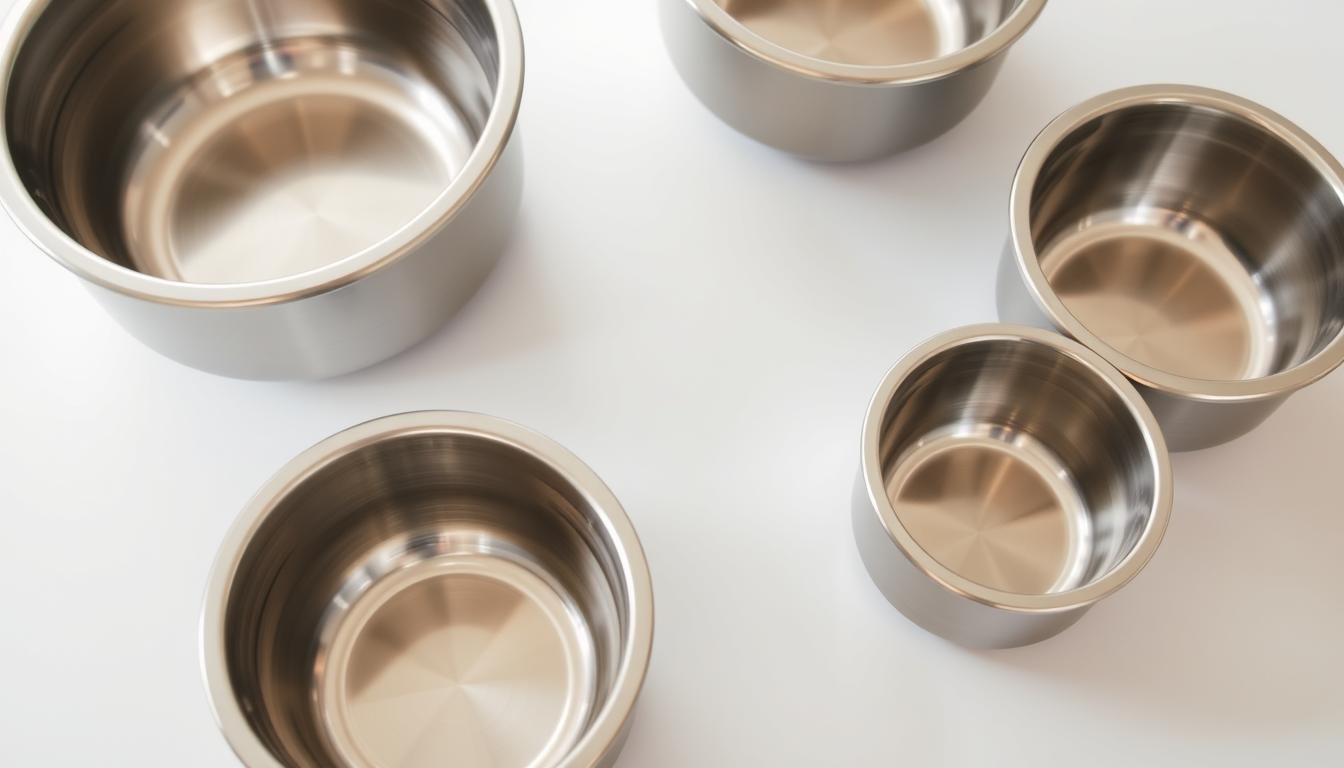
This guide to stainless steel mixing bowls for pet food preparation will help you create safer, healthier meals for your furry family members. Making homemade pet food can feel overwhelming at first, but having the right tools makes all the difference.
You want to give your pet the best nutrition possible, and quality mixing bowls are the foundation of safe meal prep. The right stainless steel bowls protect your pet from harmful bacteria and chemicals while making your job easier.
TL;DR
| Guide Type | Equipment Guide |
| For | All Pet Types |
| Best Material | Food-Grade 304 Stainless Steel |
| Key Benefits | Non-toxic, Easy to Clean, Durable |
| Price Range | $10 – $50+ |
| Dishwasher Safe | Yes ✓ |
| Vet Recommended | Yes ✓ |
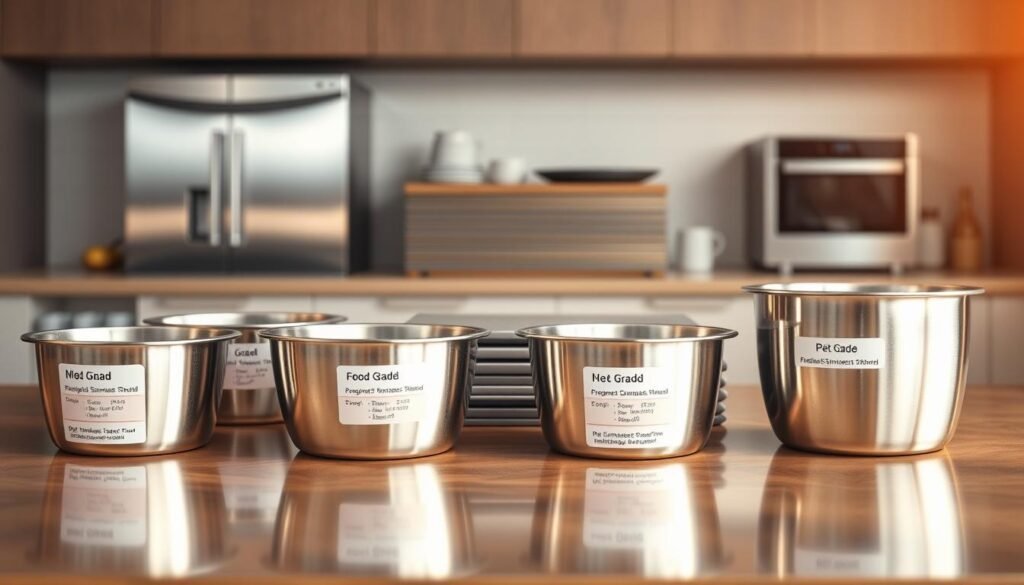
Stainless Steel Mixing Bowls for Pet Food Preparation Guide
The right mixing bowls make pet meal prep safer and more enjoyable for both you and your pet. Stainless steel bowls offer the perfect combination of safety, durability, and ease of use.
Before You Start
- Determine your pet’s meal sizes and portions
- Measure your storage space for nested bowls
- Set a realistic budget for quality bowls
- Consider how often you’ll be making homemade meals
Essential Features to Look For
- Food-grade 304 stainless steel construction
- Non-slip base for stability during mixing
- Proper size for your pet’s meal portions
- Smooth, easy-to-clean interior surface
- Dishwasher-safe design
- Nesting capability for compact storage
- Sturdy rim that won’t bend or warp
How to Choose the Right Bowl
- Assess your needs. Consider your pet’s size, how often you cook, and storage space. Think about whether you need one bowl or a complete set.
- Check the steel grade. Look for food-grade 304 stainless steel for the safest option. Avoid cheaper grades that may contain harmful materials.
- Test the stability. Choose bowls with non-slip bases or rubber bottoms. This prevents sliding and spills during mixing.
- Consider the rim design. Look for rolled or reinforced rims that won’t bend under pressure. This is especially important for thick mixtures.
- Plan for storage. Choose bowls that nest together if you have limited cabinet space. This keeps your kitchen organized and bowls protected.
Bowl Size by Pet Weight
| Pet Weight | Recommended Bowl Size |
|---|---|
| Under 10 lbs | 1-2 quart bowl |
| 10-25 lbs | 2-3 quart bowl |
| 25-50 lbs | 3-4 quart bowl |
| 50-75 lbs | 4-5 quart bowl |
| 75+ lbs | 5-6 quart bowl |
These are general guidelines for single meal preparation. You may want larger bowls for batch cooking or multiple pets.
Common Mistakes to Avoid
- Buying cheap steel grades. Cheaper 201 stainless steel may contain harmful materials and won’t last as long.
- Ignoring the base design. Bowls without non-slip bases will slide around during mixing and create a mess.
- Choosing the wrong size. Too small means multiple batches, too large makes mixing difficult for small portions.
- Forgetting about storage. Non-nesting bowls take up valuable cabinet space and can get damaged more easily.
Quick Test
Before buying, check if the bowl feels balanced when you hold it. A well-designed bowl should feel stable and comfortable in your hands, even when full.
Making a Larger Investment
- Buy a complete set. Sets offer better value and give you options for different meal sizes.
- Choose commercial-grade bowls. Restaurant-quality bowls last longer and handle heavy use better.
- Look for lifetime warranties. Quality manufacturers stand behind their products with solid guarantees.
- Consider multiple sets. Having dedicated bowls for raw food prevents cross-contamination.
Alternative Materials and When to Use Them
Glass bowls – Safe and non-reactive but heavy and breakable. Good for pets that don’t knock things over.
Ceramic bowls – Attractive and stable but can chip easily. Make sure they’re lead-free and food-grade.
Silicone bowls – Flexible and lightweight, perfect for travel or outdoor feeding.
Plastic bowls – Budget-friendly but can harbor bacteria and may contain harmful chemicals like BPA.
Storage Tips

Clean before storing. Always wash and dry bowls completely before stacking to prevent water spots and bacteria growth.
Stack carefully. Nest bowls properly to prevent scratching and save space in your cabinets.
Separate raw food bowls. Keep dedicated bowls for raw pet food separate from other cooking bowls to prevent cross-contamination.
Regular inspection. Check bowls monthly for scratches, dents, or other damage that could harbor bacteria.
Why Stainless Steel Bowls Are Good for Your Pet
Stainless steel bowls provide the safest environment for preparing your pet’s meals because they don’t harbor bacteria like other materials can.
According to the FDA Animal Veterinary division, using non-reactive materials for pet food preparation helps maintain nutritional integrity and food safety.
The non-porous surface of stainless steel means it won’t absorb odors, flavors, or harmful bacteria that could make your pet sick.
The ASPCA recommends using food-grade materials when preparing homemade pet meals to ensure the highest safety standards.
Frequently Asked Questions
Can I use my regular kitchen mixing bowls for pet food?
Yes, if they’re made from food-grade stainless steel, but it’s better to have dedicated bowls for pet food. This prevents cross-contamination between human and pet ingredients.
How often should I replace my stainless steel mixing bowls?
Quality stainless steel bowls can last decades with proper care. Replace them only if they develop deep scratches, dents, or other damage that could harbor bacteria.
Are expensive stainless steel bowls worth the cost?
Higher-quality bowls typically use better steel grades, have more durable construction, and come with warranties. They’re worth it if you cook for your pets regularly.
Can stainless steel bowls go in the microwave?
No, never put stainless steel in the microwave as it can cause dangerous sparking. Use microwave-safe glass or ceramic bowls for heating pet food.
Do I need different bowls for wet and dry ingredients?
One set of quality stainless steel bowls works for both wet and dry ingredients. Just wash thoroughly between uses to prevent flavor transfer.
What’s the difference between 304 and 201 stainless steel?
304 stainless steel contains more chromium and nickel, making it more corrosion-resistant and safer for food use. 201 is cheaper but may not be as durable for pet food preparation.
How do I remove stubborn food residue from stainless steel bowls?
Make a paste with baking soda and water, let it sit for 15 minutes, then scrub gently with a soft sponge. This safe method protects your stainless steel mixing bowls for pet food preparation without scratching.
Final Thoughts
Choosing the right stainless steel mixing bowls for pet food preparation sets the foundation for years of safe, healthy meal making.
When you invest in quality bowls, you’re investing in your pet’s health and your own peace of mind.
Start with one good bowl or a basic set, and you’ll quickly see why so many pet parents swear by stainless steel for their furry family members.
Subscribe to Our Newsletter

