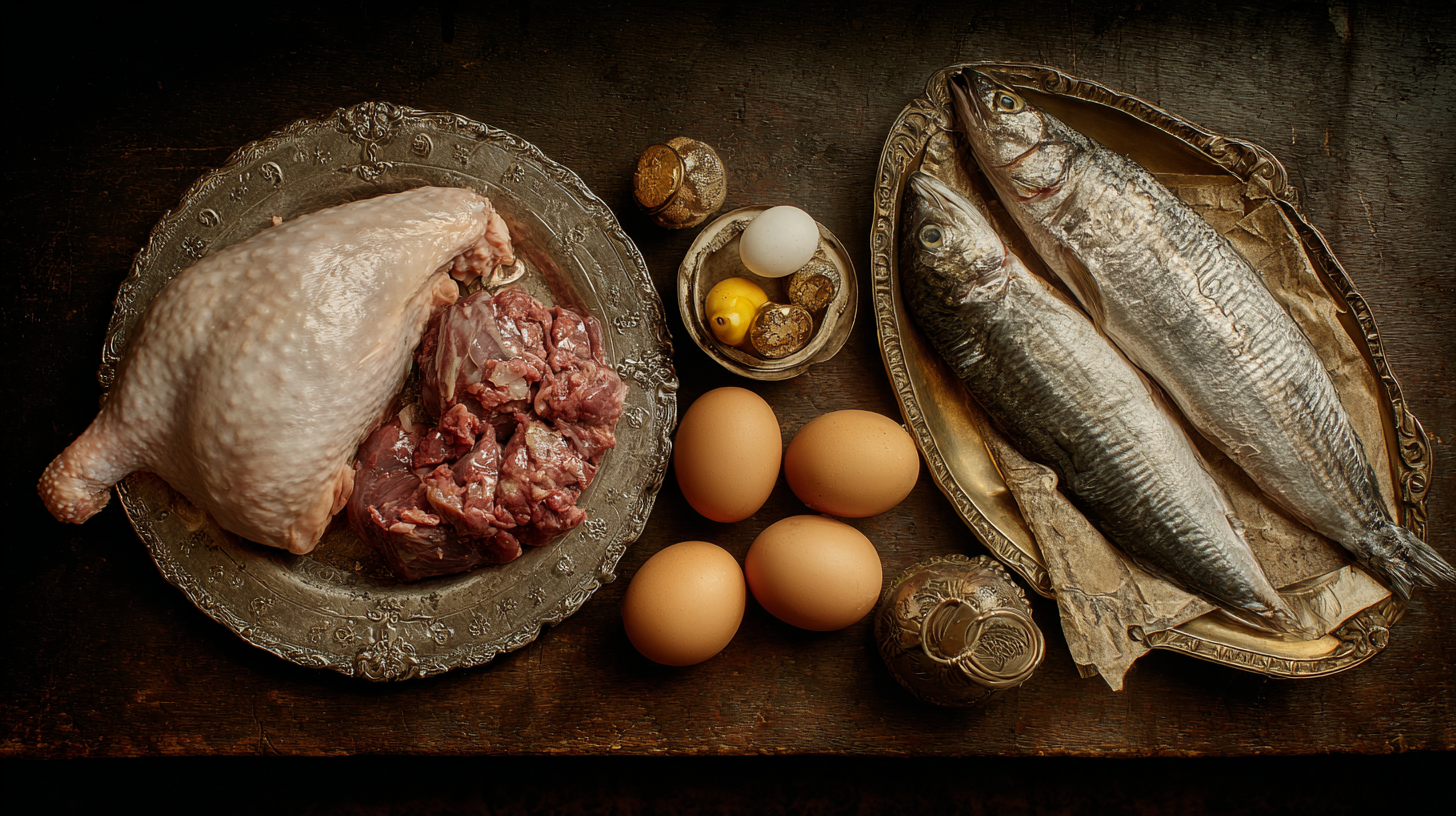
This complete guide to choosing between organic and commercial pet food will help you make the best decision for your furry family member. If you have ever stood in the pet food aisle feeling overwhelmed by all the choices and conflicting claims, you are not alone – this guide breaks down exactly what you need to know.
TL;DR
| Guide Type | Pet Food Comparison |
| For | Dogs and Cats |
| Time to Read | 8 minutes |
| Decision Factor | Budget vs Health Benefits |
| Key Takeaway | Both can be healthy with careful selection |
| Vet Approved | Yes ✓ |
Choosing Between Organic and Commercial Pet Food Guide
First Posted June 16, 2025 | [lmt-post-modified-info]The search for the best pet food has led pet owners to a crucial decision point between organic and commercial options. Understanding the real differences will help you choose what works best for your pet and budget.
Before You Start Your Research
- Your pet’s current health status and any known allergies
- Your monthly pet food budget range
- Access to specialty pet stores or online ordering
- Your pet’s age, size, and activity level
Key Factors to Consider
- Ingredient quality and sourcing standards
- Nutritional completeness for your pet’s life stage
- Regulatory oversight and safety standards
- Cost per serving vs nutritional value
- Your pet’s individual preferences and sensitivities
- Long-term health impact considerations
How to Evaluate Pet Food Options
- Read the ingredient list carefully. The first five ingredients make up most of the food and should be high-quality proteins and whole foods.
- Check for AAFCO nutritional adequacy statements. Look for statements that confirm the food meets nutritional standards for your pet’s life stage.
- Research the manufacturer’s reputation. Choose companies with good safety records and quality control standards.
- Calculate cost per serving, not per bag. Higher quality foods often provide better value despite higher upfront costs.
- Consider your pet’s response. Monitor energy levels, coat condition, and digestive health after switching foods.
Monthly Budget Guidelines by Pet Size
| Pet Size | Commercial Food | Premium/Organic |
|---|---|---|
| Small Dog/Cat (Under 15 lbs) | $15-30 | $35-70 |
| Medium Dog (15-50 lbs) | $25-50 | $60-120 |
| Large Dog (50-80 lbs) | $40-80 | $100-200 |
| Giant Dog (80+ lbs) | $60-120 | $150-300 |
These are general estimates based on average feeding amounts. Costs vary significantly by brand and specific nutritional needs.
Common Mistakes to Avoid
- Assuming expensive always means better. Price does not guarantee quality – focus on ingredients and nutritional value first.
- Switching foods too quickly. Transition gradually over 7-10 days to avoid digestive upset regardless of food quality.
- Ignoring your pet’s individual needs. A food that works great for one pet may not suit another with different sensitivities.
- Falling for marketing buzzwords. Terms like “natural” and “premium” are not regulated and may not mean anything special.
Quick Check
A good pet food should have a named protein source as the first ingredient and no vague terms like “meat by-products” or “animal digest” in the top five ingredients.
Comparing Multiple Brands
- Create a comparison chart. List the top 3-5 foods with ingredients, price per serving, and nutritional analysis.
- Read recent reviews from multiple sources. Check both professional reviews and real customer feedback from various platforms.
- Contact manufacturers directly. Ask about their quality control processes and ingredient sourcing if you have concerns.
- Consult your veterinarian. Get professional input based on your pet’s specific health history and needs.
Organic vs Commercial: The Real Differences
Organic pet food requirements – Must contain 95% organic ingredients free from synthetic pesticides, fertilizers, and GMOs.
Commercial pet food standards – Regulated by AAFCO for nutritional adequacy but allows synthetic preservatives and additives.
Ingredient quality – Organic typically uses higher-grade proteins while commercial varies widely by price point.
Preservative systems – Organic uses natural preservatives like vitamin E while commercial often uses synthetic options like BHA and BHT.
Manufacturing oversight – Organic facilities undergo additional inspections beyond standard pet food regulations.

Making Your Decision Stick
Start with a trial size. Many premium brands offer smaller bags or sample packs to test before committing to large quantities.
Monitor for 6-8 weeks. It takes time to see the full effects of a diet change on coat, energy, and digestive health.
Keep a food diary. Track your pet’s response including appetite, energy levels, and any digestive changes.
Have a backup plan. Keep a small amount of your pet’s previous food in case you need to switch back temporarily.
Why This Decision Matters for Your Pet
The food you choose becomes the foundation of your pet’s daily nutrition and long-term health outcomes.
According to the FDA Animal Veterinary division, both organic and commercial pet foods can provide complete nutrition when properly formulated.
Quality ingredients support better digestibility, which means your pet absorbs more nutrients from each serving.
The ASPCA emphasizes that consistency in feeding a high-quality diet is more important than switching between trendy options.
Frequently Asked Questions
Is organic pet food always healthier than commercial?
Not necessarily – both can be nutritionally complete when properly formulated. Organic ensures fewer synthetic additives, but commercial foods can still provide excellent nutrition at lower costs.
How do I know if a pet food is truly high quality?
Look for named protein sources as the first ingredient, AAFCO nutritional adequacy statements, and companies with good safety records. Avoid foods with excessive fillers or vague ingredient names.
Can I mix organic and commercial foods?
Yes, many pet owners successfully mix different quality levels of food. This can help balance cost while still providing some premium nutrition benefits.
What should I do if my pet has food allergies?
Work with your veterinarian to identify trigger ingredients through an elimination diet. Both organic and commercial brands offer limited ingredient options for sensitive pets.
Are fresh or raw diets better than both organic and commercial?
Fresh diets can be excellent but require careful planning to ensure nutritional balance. Consider trying recipes like our https://petfriendlyrecipes.com/chicken-and-sweet-potato-dinner-for-dogs/ as part of a rotation with high-quality commercial foods.
How often should I reevaluate my pet’s food choice?
Review your pet’s diet annually or when their health status changes. Life stage transitions (puppy to adult, adult to senior) are natural times to reassess nutritional needs.
Final Thoughts
Choosing between organic and commercial pet food ultimately comes down to balancing your pet’s individual needs with your budget and values.
Both options can support a healthy, happy pet when you choose wisely and focus on quality ingredients over marketing claims.
Trust your research, consult your veterinarian, and pay attention to how your pet responds – they will tell you if you have made the right choice.
Subscribe to Our Newsletter