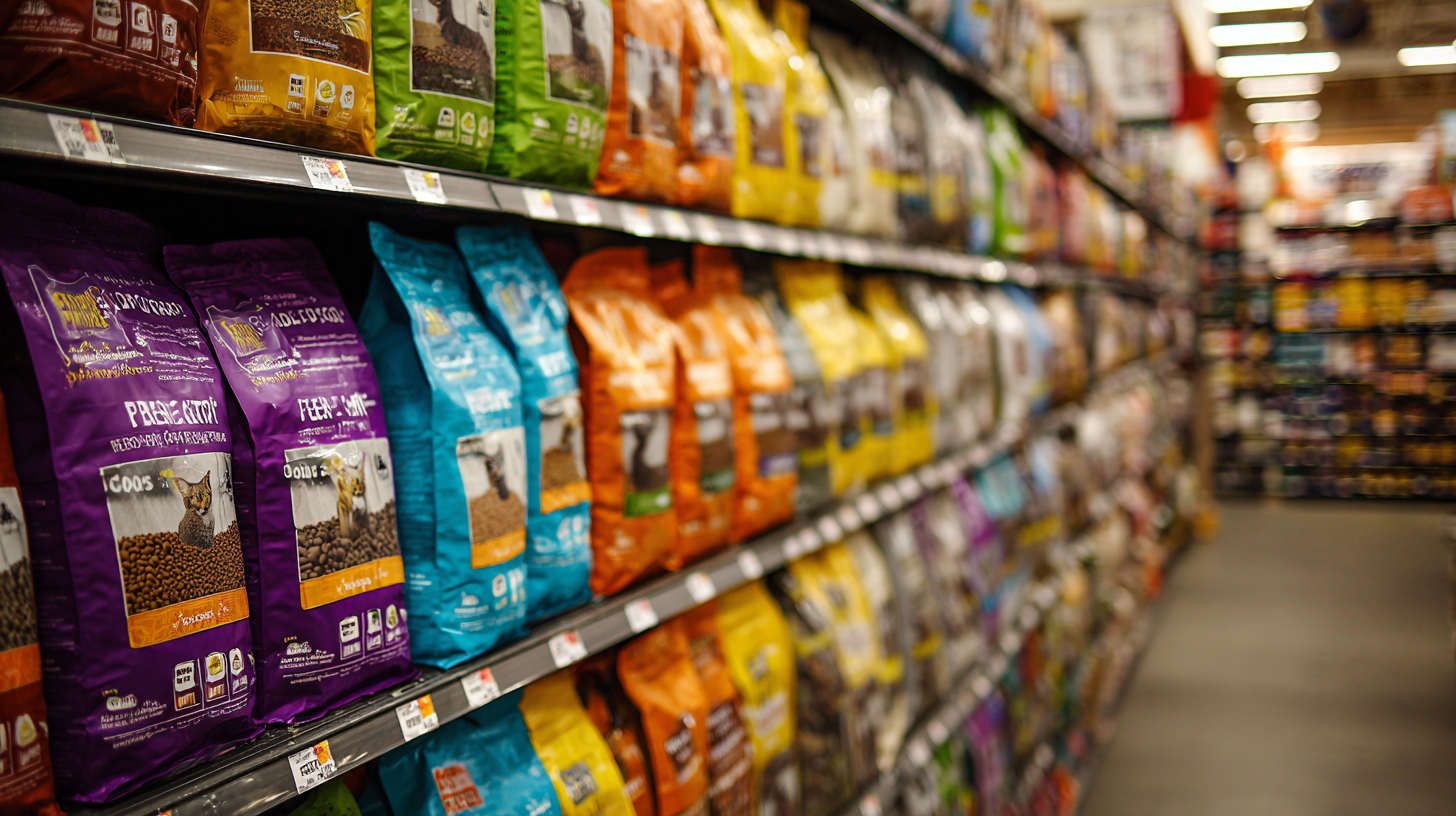
This Homemade Vs. Store-Bought Pet Food comparison is one of the most important decisions you will make for your furry family member.
First Posted June 16, 2025 | [lmt-post-modified-info]If you have ever stood in the pet food aisle feeling overwhelmed by choices, you are not alone.
This guide breaks down everything you need to know so you can feel confident about feeding your pet the best way possible.
## TL;DR
| Topic | Details |
|---|---|
| Guide Type | Complete Pet Food Comparison |
| For | Dogs, Cats, and Other Pets |
| Key Factor | Nutritional Balance |
| Best Choice | Depends on Pet’s Needs |
| Expert Advice | Always Recommended |
| Safety Priority | High ✓ |
##
Why Understanding Pet Food Options Matters for Your Pet
Your pet’s health depends on getting the right nutrition every single day. Both homemade and commercial pet foods can provide excellent nutrition when done correctly, according to the ASPCA.
The key difference lies in how you approach each option. Homemade meals give you complete control over ingredients, which helps pets with food allergies or sensitivities thrive. Commercial foods offer convenience and are formulated by nutrition experts to meet all your pet’s needs.
Neither choice is inherently better than the other – it all comes down to what works best for your lifestyle and your pet’s specific health requirements, as noted by FDA Animal Veterinary.
## Before You Consider Your Options
– Consultation with your veterinarian or pet nutritionist
– Understanding of your pet’s specific dietary needs
– Honest assessment of your time and budget
– Knowledge of foods that are toxic to your pet type
– Commitment to consistency in whatever approach you choose
## Homemade Pet Food: The Complete Picture
**The Good News About Homemade**
– Complete ingredient control – you know exactly what goes in every bowl
– Perfect for pets with allergies, sensitivities, or special health conditions
– Fresh ingredients without preservatives or mysterious fillers
– Can be cost-effective when you buy ingredients in bulk
– Many pets show improved coat shine and digestion on fresh diets
**The Challenges to Consider**
– Requires significant time for meal planning, shopping, and preparation
– Nutritional balance is tricky – 95% of homemade pet foods lack essential nutrients according to UC Davis research
– Initial costs can be higher than commercial food
– Food safety is completely in your hands
– No regulatory oversight to ensure nutritional completeness
## Commercial Pet Food: What You Need to Know
**Why Many Pet Parents Choose Commercial**
– Nutritionally complete and balanced when following AAFCO standards
– Convenient and ready to serve right from the package
– Regulated by federal authorities for safety and nutrition
– Wide variety of formulas for different life stages and health needs
– Often more affordable than high-quality homemade ingredients
**The Concerns Some Pet Parents Have**
– Occasional recalls due to contamination or manufacturing issues
– Some brands use vague terms like “meat by-products”
– Marketing claims can be misleading or confusing
– Quality varies significantly between different price points
– Less control over individual ingredient sources

## Essential Nutrients Your Pet Needs
| Nutrient | Why It Matters | Common in Homemade? |
|---|---|---|
| Protein | Muscle development and maintenance | Usually adequate |
| Vitamin E | Immune system support | Often deficient |
| Calcium | Bone and teeth health | Frequently lacking |
| Vitamin B12 | Nervous system function | Often missing |
| Omega fatty acids | Skin and coat health | Depends on ingredients |
The biggest challenge with homemade pet food is ensuring nutritional completeness. Even well-intentioned pet parents often miss critical vitamins and minerals that pets need to thrive.
## Safety Considerations for Both Options
**Homemade Safety Tips**
– Work with a veterinary nutritionist to create balanced recipes
– Use a kitchen scale to measure ingredients precisely
– Follow food safety rules just like you would for human food
– Store meals properly and use within recommended timeframes
**Commercial Food Safety**
– Check for recall notices regularly on the FDA website
– Store food in original packaging in a cool, dry place
– Check expiration dates before feeding
– Watch for changes in your pet’s health or appetite
## Making the Right Choice for Your Family

| Factor | Homemade | Commercial |
|---|---|---|
| Time Required | High daily commitment | Minimal preparation |
| Nutritional Balance | Requires expert planning | Built into quality formulas |
| Ingredient Control | Complete control | Limited to brand choices |
| Cost | Varies widely | Predictable monthly expense |
| Convenience | Requires meal planning | Grab and serve |
The truth is that many happy, healthy pets eat commercial food their entire lives. Many others thrive on carefully planned homemade diets. Some pet parents even combine both approaches successfully.
## Common Mistakes Pet Parents Make
**With Homemade Food**
– Assuming homemade is automatically healthier without proper planning
– Using human recipes that are not nutritionally complete for pets
– Not consulting with a veterinary nutritionist
– Changing recipes frequently without transition periods
**With Commercial Food**
– Choosing based on price alone without reading ingredient lists
– Not researching the manufacturer’s reputation and standards
– Switching foods too quickly without gradual transitions
– Ignoring your individual pet’s response to the food
## Questions to Ask Your Veterinarian
– Does my pet have any specific nutritional requirements based on their health?
– Are there any ingredients I should avoid for my pet’s breed or condition?
– How can I tell if my pet is getting proper nutrition from their current diet?
– What signs should I watch for if I switch food types?
– Can you recommend a veterinary nutritionist if I want to try homemade meals?
##
Frequently Asked Questions
Is homemade pet food always better than commercial food?
Not necessarily. Both can be excellent when done correctly. Homemade food gives you ingredient control, but commercial food is formulated by nutrition experts. The best choice depends on your pet’s specific needs and your ability to provide balanced nutrition.
How do I know if my pet is getting proper nutrition?
Watch for signs like healthy coat shine, good energy levels, normal bowel movements, and maintaining proper weight. Your vet can run blood tests to check for nutritional deficiencies during regular checkups.
Can I mix homemade and commercial food?
Yes, many pet parents successfully combine both approaches. You might feed high-quality commercial food most days and add homemade meals 1-2 times per week. Just ensure any homemade additions don’t unbalance the overall diet.
How much does homemade pet food really cost?
Costs vary widely based on ingredient choices and your pet’s size. High-quality ingredients can cost more than premium commercial food, but buying in bulk and using seasonal ingredients can help. Factor in your time as well – meal prep takes several hours weekly.
What should I look for in commercial pet food?
Look for AAFCO nutritional adequacy statements, named protein sources as the first ingredient, and avoid foods with excessive fillers. Research the manufacturer’s reputation and recall history. Price doesn’t always indicate quality.
Is it safe to switch between homemade and commercial food?
Yes, but make transitions gradually over 7-10 days to avoid digestive upset. Start by mixing small amounts of the new food with the current food, gradually increasing the proportion of new food each day.
Do I need special training to make homemade pet food?
While you don’t need formal training, working with a veterinary nutritionist is highly recommended. They can help you create balanced recipes that meet all your pet’s nutritional needs safely.
## Final Thoughts
This homemade vs. store-bought pet food decision is ultimately about what works best for your family and your pet’s individual needs.
Both options can provide excellent nutrition when approached thoughtfully and with proper knowledge.
The most important thing is choosing an approach you can maintain consistently while keeping your pet healthy and happy.
Subscribe to Our Newsletter