
This guide to slow cooker or instant pot for cooking pet-friendly meals will help you make nutritious homemade food your pets will love. Making healthy meals at home gives you complete control over ingredients and lets you tailor nutrition to your pet’s specific needs.
First Posted June 16, 2025 | [lmt-post-modified-info]If you have ever worried about what goes into commercial pet food, you are not alone – this approach puts you in charge of every ingredient so you can feel confident about every meal.
TL;DR
| Guide Type | Pet Meal Preparation Methods |
| For | Dogs, Cats, Small Pets |
| Equipment Needed | Slow Cooker or Instant Pot |
| Benefits | Controlled ingredients, customized nutrition |
| Best For | Pets with allergies or specific dietary needs |
| Difficulty | Easy to Moderate |
| Vet Approved | Yes ✓ (with proper recipes) |
Slow Cooker or Instant Pot for Cooking Pet-Friendly Meals Guide
Both appliances offer excellent ways to prepare healthy, homemade meals for your pets with minimal hands-on time. The key is understanding which method works best for your lifestyle and your pet’s nutritional needs.
Before You Start
- Slow cooker (3-6 quart capacity recommended) or Instant Pot
- Food thermometer for safety checks
- Sharp knife and cutting board for ingredient prep
- Measuring cups and spoons for accurate portions
- Airtight storage containers for meal prep
- Consultation with your veterinarian about your pet’s specific dietary needs
Equipment Comparison
- Slow Cooker – cooks at low temperatures (200-300 degrees F) over 4-8 hours
- Instant Pot – pressure cooks at high temperature and pressure in 15-60 minutes
- Both maintain nutrients but slow cookers excel at tenderizing tough cuts
- Instant Pots save time and energy for busy pet parents
- Food thermometer essential for both – internal temperature must reach 165 degrees F
- Storage containers for batch cooking and meal prep
Basic Method for Both Appliances
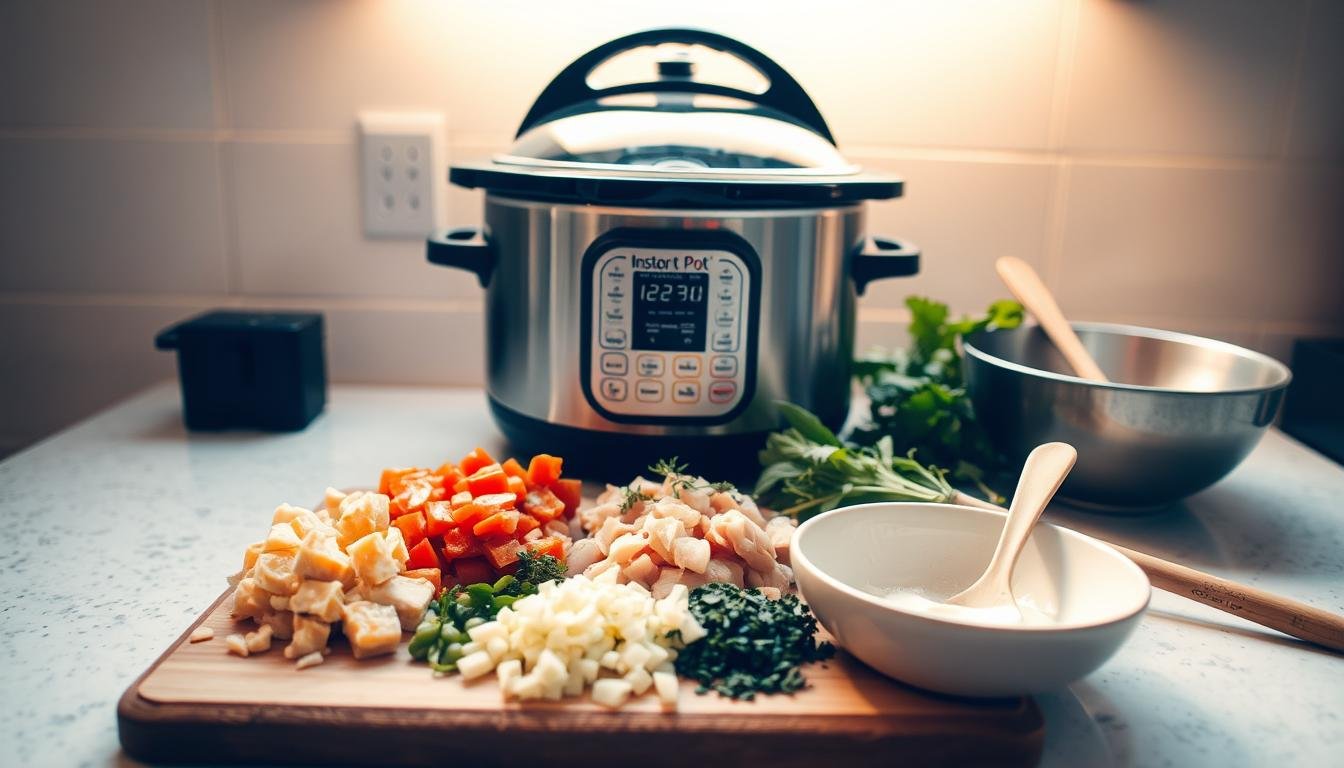
- Choose your protein. Select lean meats like chicken, turkey, or fish and cut into appropriate sized pieces for your pet.
- Prepare vegetables. Wash and chop pet-safe vegetables like sweet potatoes, carrots, and green beans into small, digestible pieces.
- Add liquid if needed. Use low-sodium broth or water – slow cookers need more liquid than Instant Pots.
- Set cooking parameters. Slow cooker on low for 6-8 hours or Instant Pot on high pressure for 20-40 minutes depending on ingredients.
- Check temperature. Ensure all meat reaches 165 degrees F internal temperature before serving.
- Cool completely. Let meals reach room temperature before serving or storing to prevent burns.

Serving Guidelines by Pet Type
| Pet Type | Daily Homemade Portion |
|---|---|
| Small Dogs (under 20 lbs) | 1/2 to 1 cup per day |
| Medium Dogs (20-50 lbs) | 1 to 2 cups per day |
| Large Dogs (50+ lbs) | 2 to 4 cups per day |
| Cats | 1/4 to 1/2 cup per day |
| Rabbits | 1/4 cup pellets plus unlimited hay |
These are general guidelines only. Pets with health conditions or special dietary needs should have portions determined by their veterinarian.
Common Mistakes to Avoid
- Using toxic ingredients. Never include onions, garlic, grapes, chocolate, or anything with xylitol – these are dangerous to pets.
- Creating nutritional imbalances. Homemade meals need proper ratios of protein, carbs, and fats plus essential vitamins and minerals.
- Serving food too hot. Always cool meals to room temperature to prevent mouth and throat burns.
- Improper food storage. Store meals in airtight containers and use within 3 days refrigerated or 3 months frozen.
- Ignoring your pet’s reactions. Watch for digestive upset or changes in behavior when introducing new foods.
Safety First
Always consult your veterinarian before switching to homemade meals. They can help ensure your recipes meet all nutritional requirements for your pet’s age, size, and health status.
Making Multiple Meals
- Double recipes easily. Both appliances handle larger quantities well – just add extra cooking time if needed.
- Batch cook weekly. Make several days worth of meals at once and store in individual portions.
- Use ice cube trays. Perfect for small dogs and cats – freeze individual servings for easy thawing.
- Label everything. Date and identify stored meals to track freshness and rotate stock properly.
Equipment Alternatives and Add-Ons
Food processor – Helpful for pets who need finely chopped or pureed textures.
Pressure cooker (stovetop) – Works similarly to Instant Pot if you already own one.
Large stock pot – Can substitute for slow cooker with low heat and longer cooking times.
Food thermometer – Non-negotiable for food safety – digital instant-read types work best.
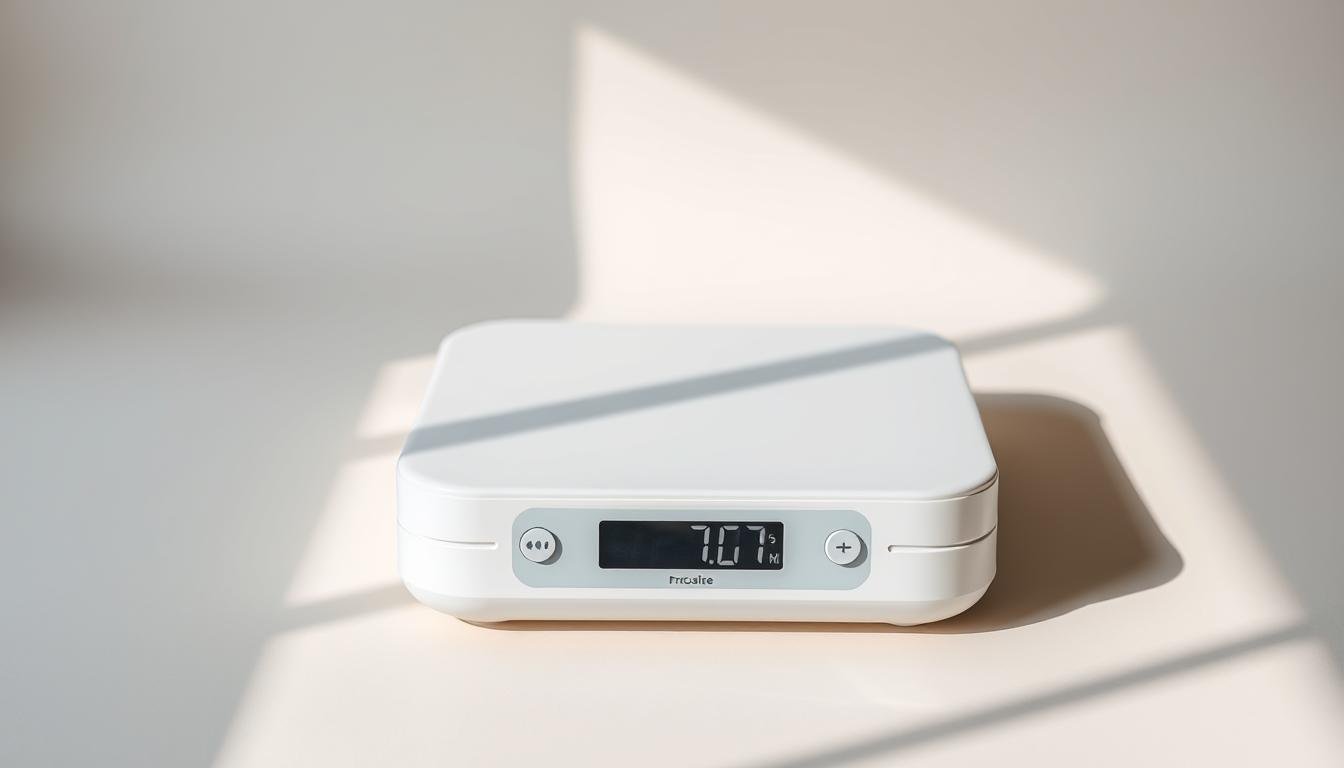
Kitchen scale – More accurate than measuring cups for consistent portions.
Storage Tips
Refrigerator storage. Keep prepared meals in airtight containers for up to 3 days maximum.
Freezer storage. Portion into individual servings and freeze for up to 3 months – label with dates and contents.
Thawing safely. Move frozen portions to refrigerator 12-24 hours before serving – never thaw at room temperature.
Reheating guidelines. Warm gently and always cool back to room temperature before serving to your pet.
Why These Cooking Methods Are Good for Your Pet
Slow cooking and pressure cooking both preserve more nutrients than traditional high-heat cooking methods. The gentle, moist heat helps break down proteins while maintaining vitamins and minerals your pet needs.
According to the FDA Animal Veterinary division, cooking pet food at home allows better control over ingredient quality and can help pets with food sensitivities.
Both cooking methods make tough cuts of meat tender and digestible while killing harmful bacteria that could make your pet sick.
The ASPCA notes that homemade diets can be beneficial when properly formulated with veterinary guidance to ensure complete nutrition.
Frequently Asked Questions
Which is better for pet food – slow cooker or Instant Pot?
Both work excellently for pet food preparation. Slow cookers are better for tough cuts of meat and hands-off cooking, while Instant Pots save time and energy for busy schedules.
Can I use the same recipes for dogs and cats?
No, cats have different nutritional needs than dogs, especially requiring more protein and the amino acid taurine. Always use species-specific recipes and consult your veterinarian.
How do I know if my homemade pet food is nutritionally complete?
Work with a veterinary nutritionist to formulate recipes that meet all your pet’s needs. They can recommend appropriate supplements to ensure balanced nutrition.
Is it cheaper to make pet food at home?
It can be, especially when buying ingredients in bulk and using less expensive cuts of meat. However, factor in the time cost and potential need for supplements when calculating savings.
How long do homemade pet meals last in storage?
Refrigerated meals stay fresh for 3 days maximum, while frozen portions keep for up to 3 months. Always label with dates and thaw safely in the refrigerator.
Can I switch my pet to homemade food immediately?
No, transition gradually over 7-10 days by mixing increasing amounts of homemade food with their current diet. This helps prevent digestive upset from sudden diet changes.
What temperature should I cook pet food to for safety?
All meat should reach an internal temperature of 165 degrees F to kill harmful bacteria. Using a slow cooker or instant pot for cooking pet-friendly meals makes achieving safe temperatures easy and consistent.
Final Thoughts
Using a slow cooker or instant pot for cooking pet-friendly meals opens up a world of healthy, homemade nutrition for your beloved companions.
Both methods offer safe, convenient ways to prepare wholesome meals that you control from start to finish.
Start with simple recipes, work with your veterinarian, and watch your pets thrive on the nutritious meals you create with love.
Subscribe to Our Newsletter